For overseas buyers, sourcing custom metal molds for plastic represents one of the most critical and impactful procurement decisions in manufacturing. The potential for significant cost savings, access to advanced technical capabilities, and accelerated production timelines from China is immense. However, the path is often fraught with challenges—from supplier verification to consistent quality control. As we look toward 2026, the landscape is evolving with smarter technology and higher expectations. This guide provides expert, actionable solutions to navigate the complexities and build a successful, long-term partnership with a China mold factory.
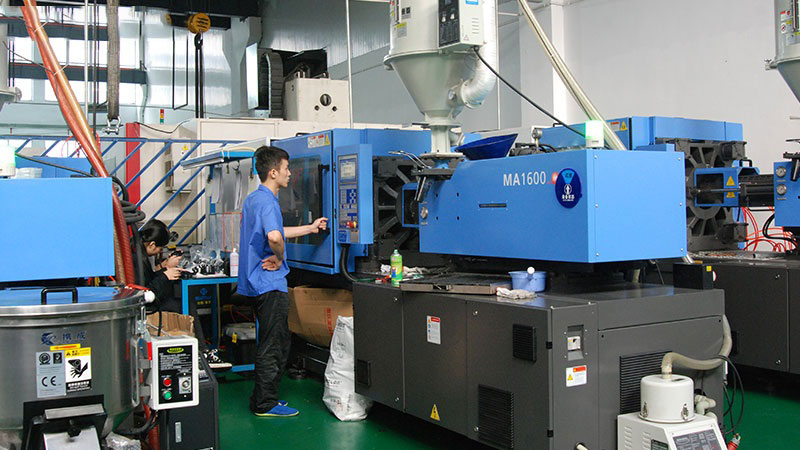
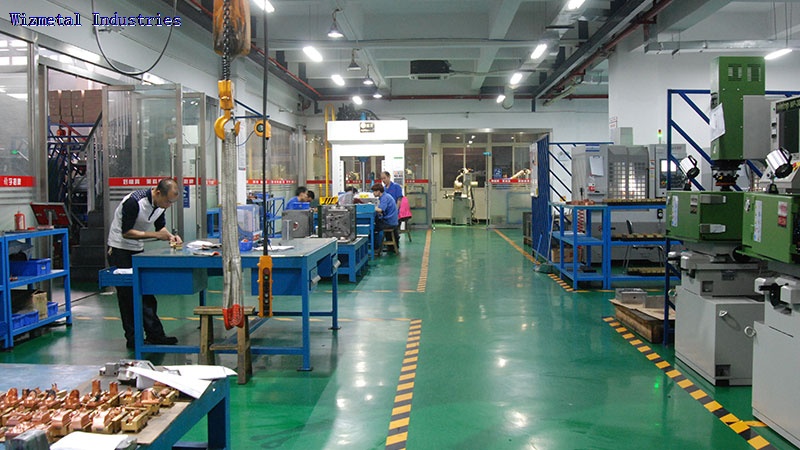
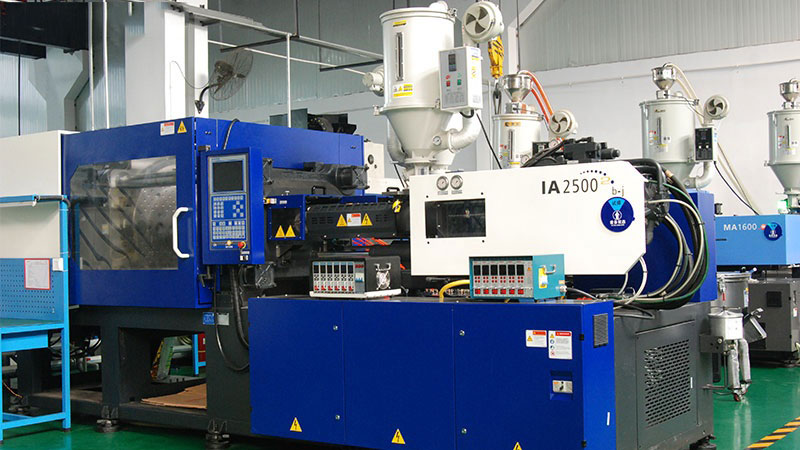
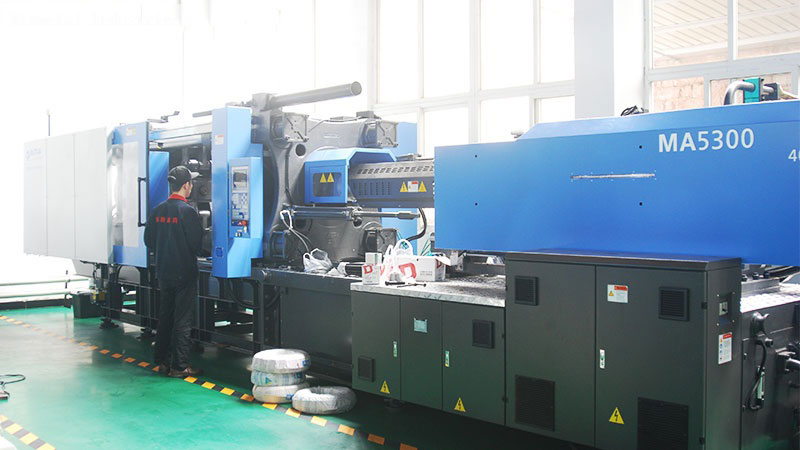
The cornerstone of a successful import project is rigorous supplier verification. Moving beyond a simple Alibaba search is non-negotiable. In 2026, due diligence means leveraging multi-platform verification. Start by cross-referencing potential suppliers on professional B2B platforms, but also scrutinize their corporate registration via Chinese business credit sites like Tianyancha. Demand video tours of their facility; a reputable injection mold manufacturer will readily showcase their CNC machining centers, EDM equipment, and mold trial areas. Crucially, request and contact references from their existing overseas clients, specifically those in your region or industry. Ask detailed questions about communication, problem-solving, and post-sales support. This layered approach filters out trading companies and identifies genuine, capable engineering partners.
Once a shortlist is established, mastering the technical and commercial quotation process is your next hurdle. A professional China mold factory will view a detailed Request for Quotation (RFQ) as a sign of a serious buyer. Your RFQ must include comprehensive 3D part files (STEP or IGS), material specifications, expected annual volumes, and target part cost. Crucially, specify the mold steel grade (e.g., P20, H13, S136), cavity polish requirements, and expected lifecycle. For your custom metal molds for plastic, clearly outline who will be responsible for mold design—you, a local engineer, or the supplier. In 2026, leading factories offer DFM (Design for Manufacturability) reports as a standard part of the quotation. Analyze these reports meticulously; they reveal the supplier’s technical expertise and their proactive approach to solving potential production issues before tooling begins.
The contract phase is where foresight prevents future conflict. A professional procurement strategy dictates that your purchase agreement must be exhaustive. Beyond price and delivery, it should codify: ownership of all design and tooling IP, a detailed payment schedule linked to verified milestones (e.g., 30% upon order, 40% after T1 sample approval), and explicit quality standards—often referencing DME or HASCO standards for mold bases and SPI surface finish standards for cavities. Include a clause for a pre-shipment Initial Sample Inspection Report (ISIR) or a Process Capability (CpK) study on the production parts from the mold. Stipulate the protocol for engineering changes and the warranty period for the mold against manufacturing defects, typically 12-18 months. This document is your primary legal and operational safeguard.
Proactive quality control, integrated throughout the build process, is your most powerful risk mitigation tool. Do not wait for the finished product to inspect. Insist on milestone inspections at the China mold factory. This includes a material certification review when steel is purchased, critical dimension checks after core and cavity machining, and a full mold trial (T1) with video evidence. The T1 sample run is paramount. You should receive sample parts, a detailed mold trial report noting any adjustments, and high-resolution photos and videos of the parts and the running mold. For high-value projects, consider engaging a local third-party quality inspection firm for a final pre-shipment audit. This hands-on, staged approach ensures any deviation is caught and corrected early, avoiding costly rework after the mold has left the factory.
The journey does not end at shipment. Planning for logistics, maintenance, and long-term partnership defines the 2026 approach. Work with your supplier to determine optimal shipping—air freight for urgency, sea freight for cost. Ensure the mold is crated properly with desiccant to prevent rust. Discuss and agree on maintenance support; will they provide spare part drawings or sell you spare components like ejector pins and heaters? Establish clear communication channels for future production runs or modifications. A reliable supplier views the delivery of your injection mold as the beginning of a partnership. Their responsiveness and support during your production ramp-up are the ultimate tests of their reliability and your sourcing success.
In conclusion, importing custom metal molds for plastic from China in 2026 demands a blend of traditional due diligence and modern, integrated project management. The competitive advantage goes to buyers who treat their mold supplier as a strategic engineering partner rather than a simple vendor. By implementing structured supplier verification, detailed technical procurement, ironclad contracts, staged quality control, and post-delivery planning, you transform perceived risks into a reliable, high-quality supply chain asset. The goal is not just to procure a tool, but to secure the foundation for years of efficient, high-quality plastic part manufacturing.
Work With Us
As a professional China mold manufacturer, we provide one-stop mold solution for overseas buyers.
📞 Phone: +86-18605944639
💬 WhatsApp: +8618605944639
🌐 Website: bestmoldworks.com
📧 Email: [email protected]