For overseas buyers, sourcing custom manufacturing components like silicone molds presents a significant opportunity for cost efficiency and specialized production. China remains the global epicenter for mold manufacturing, offering unparalleled scale and expertise. However, navigating this complex market requires a strategic approach to mitigate risks and secure a reliable supply chain. This guide is designed as your actionable, no-fluff manual for successfully procuring from silicone mould manufacturers in China in 2026, focusing on practical steps from verification to final quality assurance.
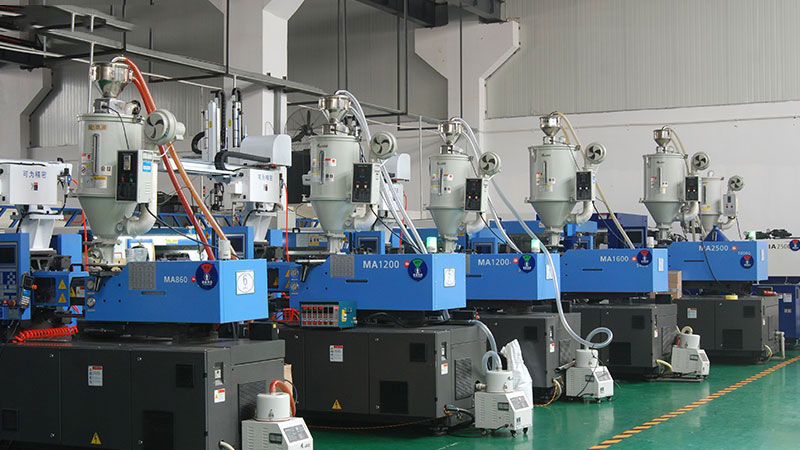
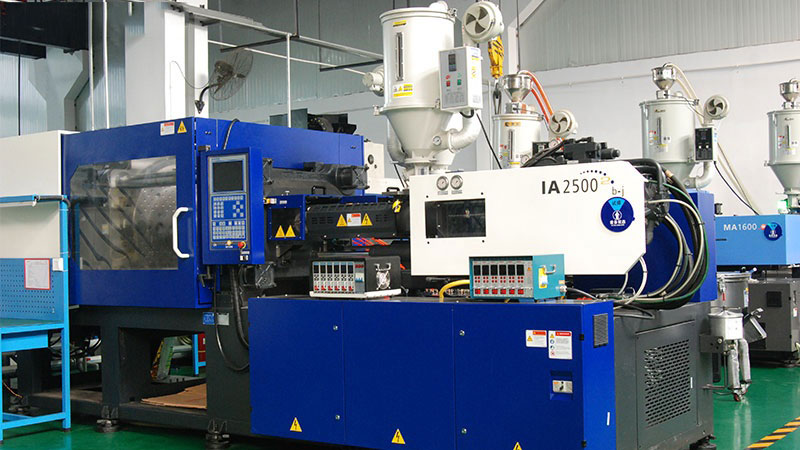
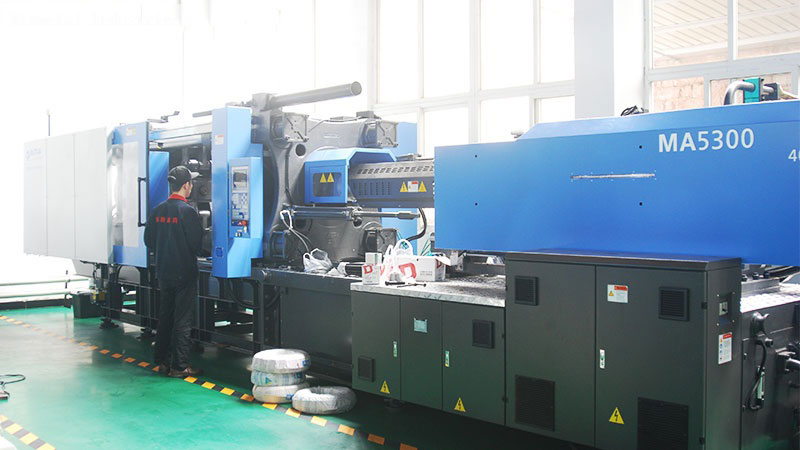
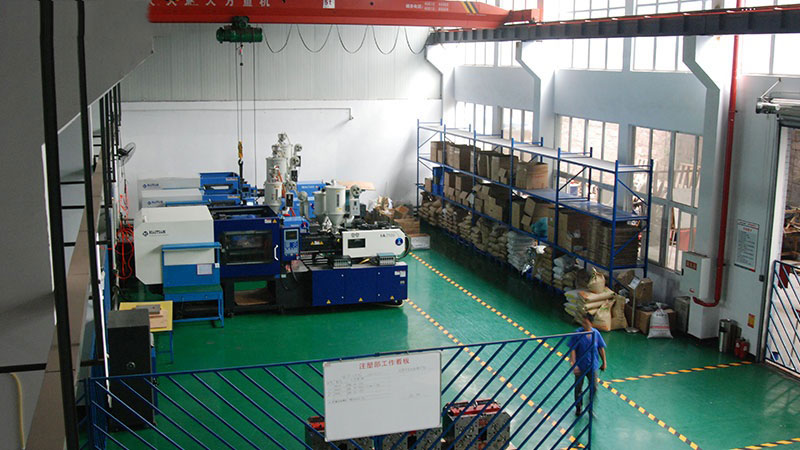
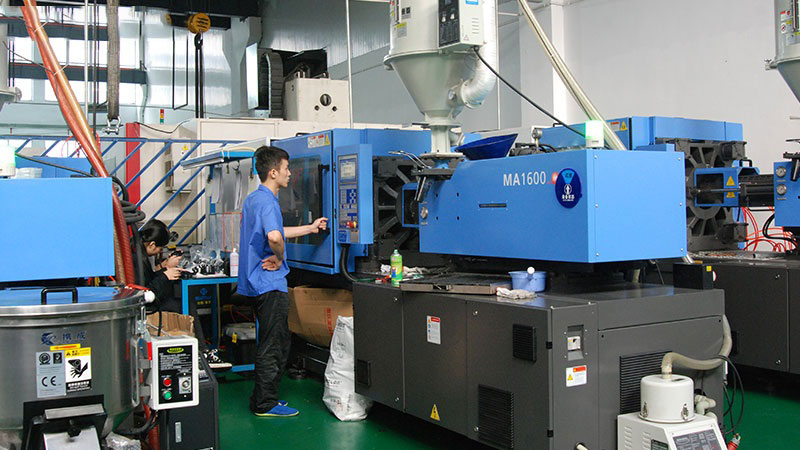
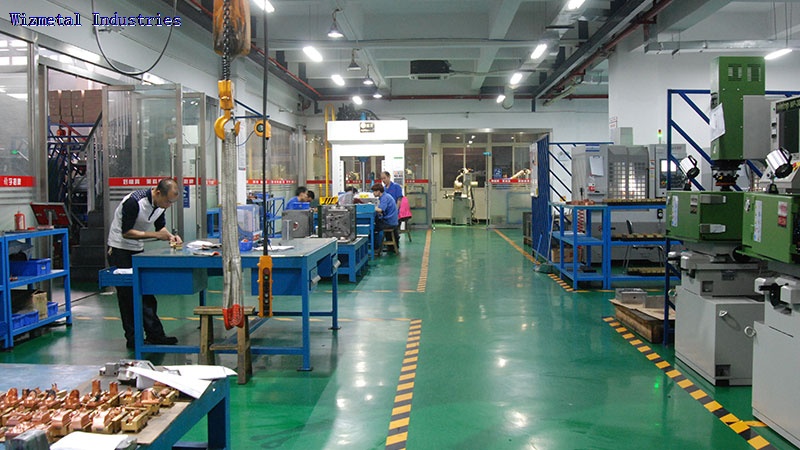
The foundation of a successful import partnership lies in meticulous supplier verification. Moving beyond a simple Alibaba search is crucial. Begin by identifying a shortlist of potential China mold factory candidates specializing in silicone or liquid silicone rubber (LSR) molds. Scrutinize their business licenses (look for a valid Unified Social Credit Code) and request detailed company profiles. In 2026, a legitimate supplier should have a professional digital footprint: an informative website, active professional social media (LinkedIn), and possibly a presence on B2B platforms like Made-in-China. However, digital verification is just the start. Insist on a virtual factory tour via video call. This allows you to assess their workshop organization, machinery, and working conditions firsthand. Furthermore, ask for and contact specific past clients, preferably from your region or industry. A reputable silicone mould manufacturer in China will be transparent about their client history and provide verifiable references.
Once a potential partner is identified, mastering the technical and commercial discussion is your next critical step. Precision in communication cannot be overstated. Provide exceptionally detailed technical drawings or 3D CAD files, specifying material grades (e.g., FDA-approved LSR, food-grade silicone), hardness (Shore A), temperature resistance, and expected production cycles. Understand that for prototypes or low-volume runs, you might engage a specialist in silicone molds, while for high-volume production requiring an injection mold for the silicone product itself, you may need a factory with dual expertise in metal tooling and LSR processing. Clearly negotiate all commercial terms. Use Incoterms 2020 (e.g., FOB Shanghai, CIF Los Angeles) to unambiguously define responsibilities, costs, and risk transfer. Ensure the proforma invoice details all costs—mold tooling (often a one-time NRE cost), unit price, packaging, and logistics—with no hidden fees. A professional partner will provide a clear, itemized quotation.
Implementing rigorous pre-shipment quality control is non-negotiable and your primary lever to avoid costly defects upon arrival. Do not rely solely on the supplier’s final inspection. For the mold tool itself, define and agree upon a First Article Inspection (FAI) process. This involves the manufacturer producing a initial batch of samples from the new mold and providing comprehensive inspection reports, including dimensional checks with CMM data if possible, material certifications, and functionality tests. For ongoing production, engage a reputable third-party quality control (QC) agency based in China to conduct inspections at critical stages: during production (DUPRO) and pre-shipment (PSI). These inspectors will check for consistency, workmanship, and adherence to your specifications, providing an unbiased report before goods are shipped. This step transforms quality from a promise into a verified condition.
The final phase encompasses logistics, payment, and building a sustainable relationship. Choose a freight forwarder with experience in handling industrial molds and silicone products. For silicone molds or products, consider specific packaging requirements to prevent deformation during transit. Regarding payment, balance security with goodwill. Common and secure structures include a 30-50% deposit with balance paid against copy of Bill of Lading, or using Letters of Credit (L/C) for larger orders. Escrow services through some B2B platforms offer another layer of protection. Upon successful completion of initial orders, focus on relationship management. Consistent communication, fair negotiation on future projects, and treating your supplier as a strategic partner rather than just a vendor can lead to priority service, proactive problem-solving, and better pricing in the long term. A reliable China mold factory is a valuable asset to your business.
In conclusion, procuring from silicone mould manufacturers in China in 2026 is a process defined by diligent preparation, clear communication, and verified control. The journey from sourcing to shipment demands a professional approach centered on thorough supplier verification, precise technical dialogue, independent quality assurance, and strategic logistics planning. By following these actionable steps, overseas buyers can confidently tap into China’s manufacturing prowess, transforming the complexity of international procurement into a competitive advantage. The goal is to build a partnership with a Chinese supplier that ensures not only a successful initial order but also a resilient and efficient supply chain for years to come.
Work With Us
As a professional China mold manufacturer, we provide one-stop mold solution for overseas buyers.
📞 Phone: +86-18605944639
💬 WhatsApp: +8618605944639
🌐 Website: bestmoldworks.com
📧 Email: [email protected]