For overseas buyers, the decision to import molds from China represents a significant strategic advantage, offering unparalleled cost efficiency and manufacturing scalability. However, navigating the vast landscape of manufacturers to identify a truly reliable custom plastic injection moulding company can be a daunting task fraught with risks. As we look toward 2026, the market is more competitive and transparent than ever, but the fundamentals of diligent procurement remain critical. This guide cuts through the noise to provide actionable, real-world strategies for verifying and partnering with a top-tier China mold factory, ensuring your injection mold project delivers on time, on budget, and to specification.
Mastering Supplier Verification Beyond the Website
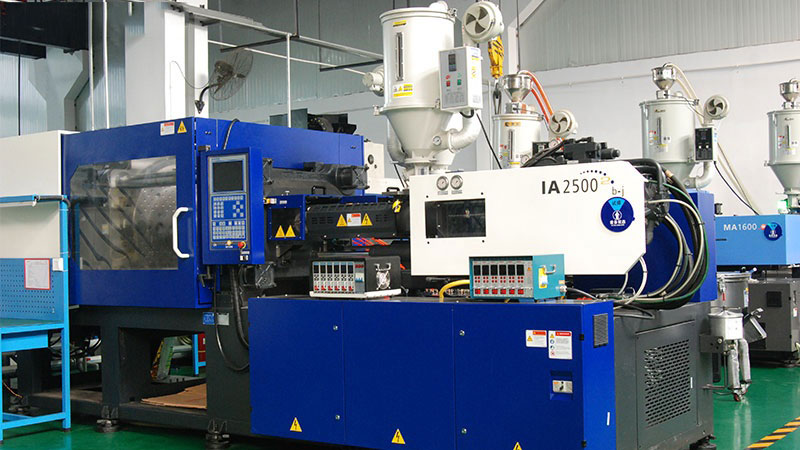
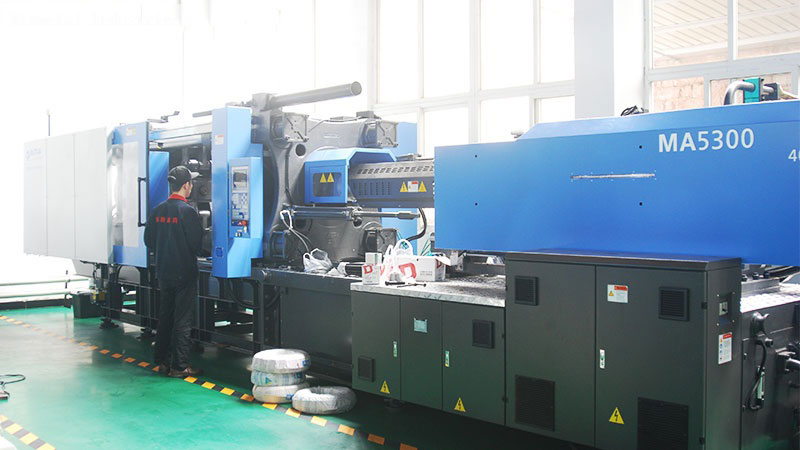
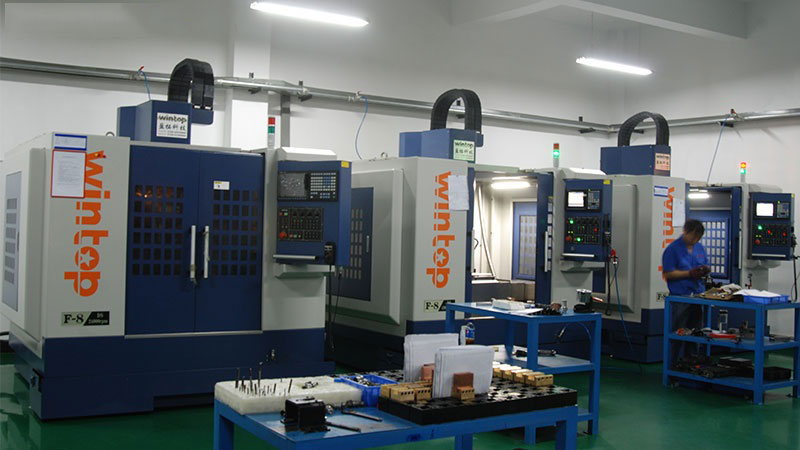
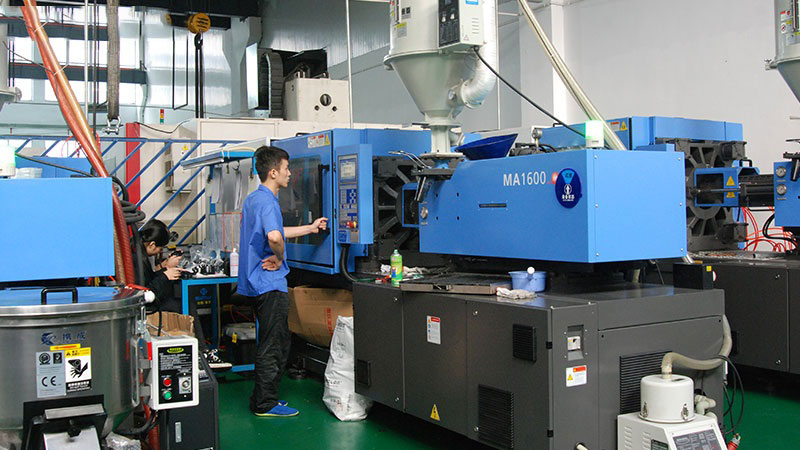
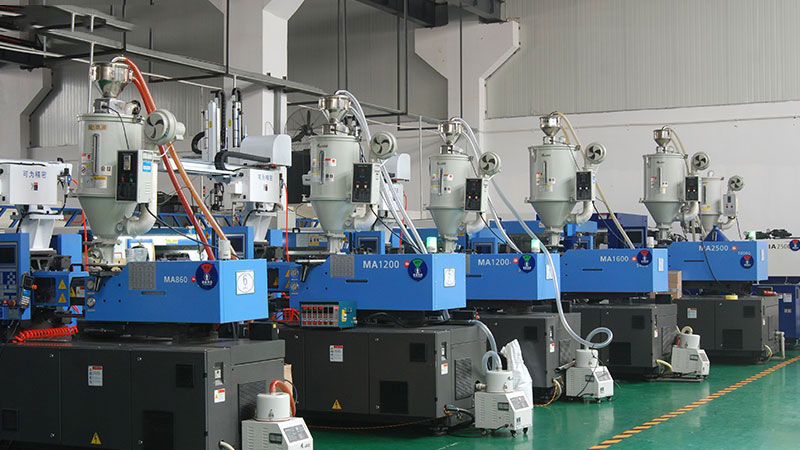
The initial search will yield countless options, making rigorous supplier verification the non-negotiable first step. Move far beyond a polished website or Alibaba storefront. Demand concrete evidence of capability. A professional custom plastic injection moulding company will readily provide a detailed company profile, including business licenses, factory location, and years of operation. Crucially, request a portfolio of past projects, specifically those for international clients in your industry. Ask for technical case studies that outline problem-solving for complex part geometries. In 2026, leverage video conferencing tools to conduct virtual factory tours; observe the shop floor organization, the level of automation in CNC and EDM departments, and the maintenance state of injection molding machines. This proactive visual audit separates marketing from manufacturing reality.
The Technical Dialogue: Defining Your Injection Mold Precisely
A successful partnership is built on crystal-clear technical communication. Your ability to define requirements precisely will directly influence the quality of the final injection mold and molded parts. Before engaging deeply, prepare a comprehensive Request for Quotation (RFQ) package. This should include not just 3D CAD files (STEP or IGS format) and 2D drawings with critical dimensions and tolerances, but also key material specifications for the final plastic part, expected annual volumes, and cosmetic requirements. Discuss mold flow analysis upfront—a competent supplier will use this simulation to predict and prevent filling issues, weld lines, and sink marks. This technical dialogue tests the factory’s engineering expertise and ensures both parties are aligned on the project’s feasibility and cost drivers from the outset.
Implementing Proactive Quality Control Gates
Waiting to inspect the finished mold is a high-risk strategy. Instead, implement staged quality control checkpoints throughout the manufacturing process. Agree with your China mold factory on a QC protocol before work begins. Key gates typically include: a pre-production meeting to review the final mold design, inspection of the mold base and core/cavity steel material certificates, and, most importantly, a First Article Inspection (FAI) after the initial mold trial. For critical projects, consider hiring a local third-party quality inspection firm to conduct in-process checks, such as verifying critical dimensions on the finished mold cavities before heat treatment and after final polishing. This layered approach to quality control mitigates the risk of catastrophic, time-consuming rework and demonstrates your seriousness as a professional buyer.
Navigating Logistics and Protecting Intellectual Property
Two practical concerns that often trouble overseas buyers are logistics and intellectual property (IP) protection. Address IP formally by having a clear Non-Disclosure Agreement (NDA) signed before sharing detailed designs. While enforcement can be challenging, working with established companies that value long-term relationships reduces risk. For logistics, understand the Incoterms (like FOB or EXW) in your quote. A reliable partner will assist in navigating shipping, customs clearance, and documentation. Plan for the mold delivery timeline to include sea freight, which is common for heavy molds, and ensure your supplier properly prepares the mold for shipping with anti-rust treatment and secure, crated packaging. Factor in these logistical details during procurement to avoid unexpected costs and delays.
Building a Partnership for 2026 and Beyond
View your chosen supplier not as a one-time vendor but as a strategic extension of your manufacturing capability. The best outcomes arise from long-term partnerships. Start with a smaller, less critical project to evaluate performance on communication, problem-solving, and adherence to schedule. A trustworthy custom plastic injection moulding company will be transparent about challenges and proactive with solutions. They will also show interest in your long-term product roadmap, potentially offering value engineering suggestions to optimize part design for manufacturability and cost. This collaborative mindset is the hallmark of a Best Supplier for 2026—one invested in mutual growth and consistent quality.
Conclusion
Importing injection molds from China remains a powerfully advantageous strategy, but its success hinges on meticulous execution. By moving beyond superficial verification to conduct deep technical and operational due diligence, you transform procurement from a gamble into a managed, low-risk process. Implementing structured quality control, clarifying logistics, and fostering transparent communication are the pillars of a successful partnership. As the industry evolves toward 2026, the winners will be those buyers who combine these actionable strategies with a partnership mindset, securing not just a mold, but a reliable manufacturing ally for the future.
Work With Us
As a professional China mold manufacturer, we provide one-stop mold solution for overseas buyers.
📞 Phone: +86-18605944639
💬 WhatsApp: +8618605944639
🌐 Website: bestmoldworks.com
📧 Email: [email protected]