Category: Custom molds for resin

  • how to make custom plastic parts: Complete Procurement 2026

    For engineers, product developers, and procurement specialists worldwide, the journey of how to make custom plastic parts is fundamentally linked to mastering global supply chains. As we look toward 2026, China remains a pivotal hub for precision tooling and high-volume production. However, the landscape is evolving rapidly, with a greater emphasis on digital integration, sustainability, and strategic partnership over transactional purchasing. This guide provides a complete, actionable procurement framework for overseas buyers aiming to navigate this complex process successfully, mitigate risks, and secure high-quality custom plastic components.

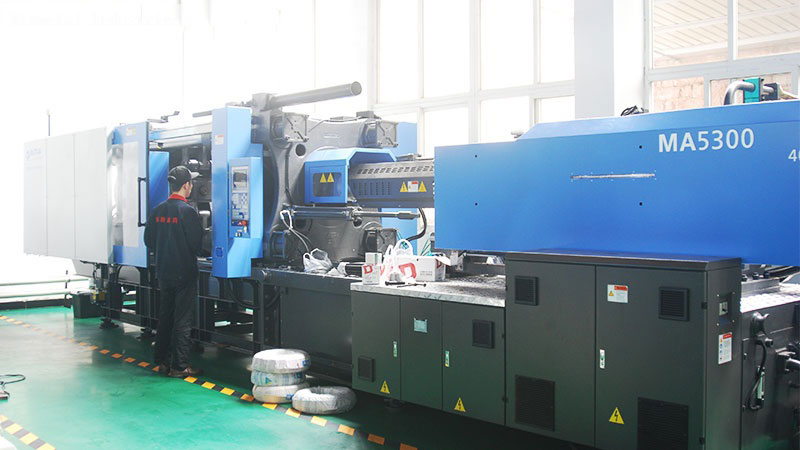
    The foundation of creating any custom plastic part is the injection mold. This precision tool, often representing a significant upfront investment, dictates the part’s quality, consistency, and ultimate profitability. Your choice of a China mold factory is therefore the most critical decision in the entire process. In 2026, the differentiation between suppliers is no longer just about cost but about technological capability, process transparency, and project management expertise. A successful procurement strategy must begin with a meticulously defined part design, including material selection, tolerance specifications, and expected volumes, as this documentation will form the basis of all supplier communications and quotations.

    Initiate your procurement with rigorous supplier verification. Moving beyond simple Alibaba listings, leverage professional platforms like Global Sources or industry-specific B2B portals. More importantly, utilize video conferencing for virtual factory tours; a reputable China mold factory in 2026 will be equipped to showcase their CNC machining centers, EDM equipment, and quality control labs in real-time. Request detailed case studies for parts similar in complexity to yours. Verify certifications such as IATF 16949 for automotive or ISO 13485 for medical-grade parts, but understand that these are baselines. The true verification comes from deep-dive discussions on their design for manufacturability (DFM) process, their approach to mold flow analysis, and their maintenance protocol for injection molds. Contacting past overseas clients for references is non-negotiable.

    Once a potential partner is shortlisted, the focus shifts to collaborative development and contract clarity. A professional supplier will provide a comprehensive DFM report, highlighting potential issues like wall thickness inconsistencies, sink marks, or ejection problems before steel is cut. This phase is where you prevent costly revisions. Your purchase agreement must be explicit, covering not just cost and lead time, but also ownership of the injection mold design and tooling, payment terms linked to project milestones (e.g., 30% upon order, 40% after T1 sample approval), and a clear protocol for engineering change orders (ECOs). Define the sampling process: expect and budget for T1 (first trial) samples, which will require adjustments, followed by T2 or T3 samples for final approval before mass production commences.

    Implementing staged quality control is the linchpin of risk management. Do not wait until a container of parts arrives at your port to inspect. Insist on an Initial Sample Inspection Report (ISIR) for approved samples. For production, integrate in-process checks. This can involve the supplier providing dimension reports and Cpk data for critical features from the first production shots. For high-value or high-volume orders, engaging a third-party quality inspection firm based in China for during-production (DPI) or pre-shipment inspections (PSI) is a prudent investment. They will check for visual defects, critical dimensions, and assembly functionality against your approved sample and drawings. This layered QC approach ensures issues are caught and rectified at the source, protecting your timeline and budget.

    As we advance into 2026, forward-thinking procurement also considers sustainability and digital thread integration. Discuss with your supplier their policies on material traceability, the use of regrind, and energy-efficient molding machines. Furthermore, explore their capability to operate within a digital thread—can they provide 3D models of the injection mold, real-time production monitoring data, or quality metrics through a secure portal? This level of integration facilitates better forecasting, inventory management, and lifecycle planning for your custom plastic parts. Building this strategic, data-enabled relationship transforms your supplier from a mere vendor into a true extension of your manufacturing operation.

    In conclusion, the complete procurement journey for how to make custom plastic parts in 2026 demands a blend of traditional due diligence and modern collaborative practices. It begins with crystal-clear part definitions and is executed through meticulous China mold factory verification, contract-driven development, and proactive, staged quality control. By prioritizing partners who offer transparency, engineering expertise, and a willingness to integrate into your quality systems, overseas buyers can confidently leverage China’s manufacturing prowess. The goal is no longer just to purchase a mold or parts, but to establish a resilient, efficient, and innovative supply chain that delivers competitive advantage for years to come.

    Work With Us

    As a professional China mold manufacturer, we provide one-stop mold solution for overseas buyers.
    📞 Phone: +86-18605944639
    💬 WhatsApp: +8618605944639
    🌐 Website: bestmoldworks.com
    📧 Email: [email protected]
  • blow mould manufacturers in china: Reliable Manufactur 2026

    For overseas buyers, sourcing industrial components like blow moulds represents a significant opportunity to enhance production capabilities and maintain competitive advantage. China has long been the global epicenter for mold manufacturing, offering a compelling mix of technical expertise, advanced engineering, and cost efficiency. However, navigating this vast and complex market to identify truly reliable partners requires a strategic, informed approach. As we look toward 2026, the landscape is evolving with greater emphasis on automation, precision, and integrated quality systems. This guide is designed to provide actionable, practical solutions for international procurement specialists aiming to build successful, long-term partnerships with proficient blow mould manufacturers in China.

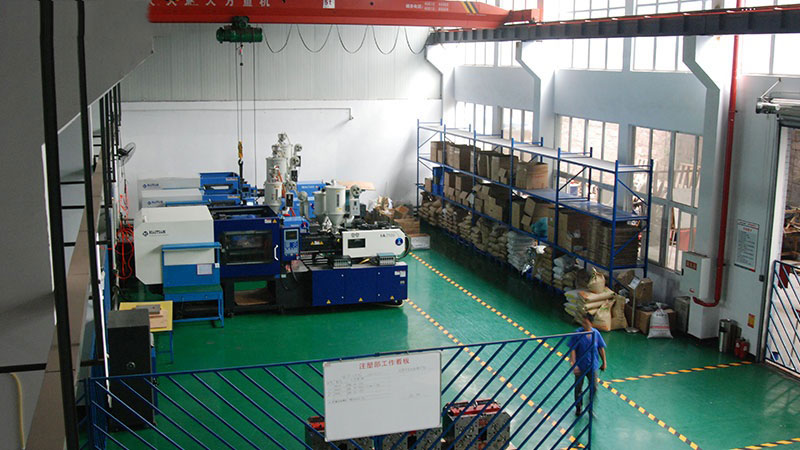
    The cornerstone of any successful import venture is rigorous supplier verification. Moving beyond a simple online directory search is non-negotiable. Begin by shortlisting potential China mold factory candidates that explicitly showcase experience in blow molding technology, as it differs significantly from injection mold processes. Scrutinize their digital footprint: a professional website with detailed case studies, technical specifications, and client testimonials is a positive indicator. Utilize third-party verification platforms to check business licenses, registered capital, and export history. The critical step, however, is virtual due diligence. Schedule video conferences to tour the facility remotely. Request to see CNC machining centers, EDM equipment, and coordinate measuring machines (CMM) in operation. A reputable manufacturer will be transparent and proud to showcase their shop floor, providing tangible proof of their capabilities beyond glossy brochures.

    Once a shortlist of credible blow mould manufacturers in China is established, the focus must shift to mastering technical communication and specification clarity. Ambiguity in design and material requirements is the primary cause of project delays, cost overruns, and substandard products. Develop comprehensive and unambiguous technical drawings using international standards (ISO, DIN, or ASTM). Clearly specify the mold base steel (e.g., P20, H13, S136), cavity surface finish, cooling channel layout, and expected lifecycle (number of cycles). If your product is for food-grade or medical applications, explicitly state the necessary certifications and material compliance documents. Employ 3D models (STEP or IGES files) alongside 2D drawings. During discussions, ensure a dedicated project engineer from the supplier side is assigned, and confirm their understanding by having them reiterate key specifications. This meticulous approach bridges the language and technical gap, setting a clear benchmark for quality control.

    Proactive and structured quality control (QC) is not a final step but an integrated process throughout the manufacturing journey. Reliable partners expect and welcome this. Define a QC protocol before order confirmation. This should include staged inspection points: typically, a First Article Inspection (FAI) after rough machining, a Dimensional Inspection Report (DIR) with CMM data before heat treatment, and a final pre-shipment inspection (PSI) where the finished mold is tested with material on a blow molding machine. For high-value orders, engaging a trusted third-party inspection agency within China for the PSI is a wise investment. They can perform sample production runs, measure critical product dimensions, and validate the mold’s performance against your agreed-upon standards. This layered QC strategy mitigates risk dramatically, ensuring issues are identified and rectified on the factory floor long before the mold reaches your port.

    Understanding the commercial and legal framework is essential for a smooth procurement process. Be clear on payment terms; common structures like 30-40% deposit, 30-40% after pre-shipment inspection, and balance before shipment offer shared risk. Ensure the proforma invoice details all costs: mold cost, spare parts, trial run charges, packaging, and inland freight to the port. Incoterms 2020 (typically FOB or EXW) must be mutually understood to define responsibilities for shipping and insurance. Legally, a detailed contract is paramount. It should cover intellectual property (IP) protection, guaranteeing your design remains your property, confidentiality clauses, warranty period for workmanship and materials (often 12-18 months), and protocols for handling defects. While building a relationship on trust is ideal, a solid contract provides a clear recourse and demonstrates professional seriousness to your chosen China mold factory.

    The most forward-thinking buyers view their supplier not as a vendor but as a strategic technical partner. The leading blow mould manufacturers in China are increasingly offering value-added services that extend far beyond basic fabrication. Inquire about their capabilities in design for manufacturability (DFM) analysis. An experienced engineer might suggest subtle design modifications that significantly improve mold flow, reduce cycle time, or enhance product durability. Discuss their after-sales support: will they provide detailed maintenance manuals, video guides for mold disassembly, and a list of recommended spare parts? A supplier invested in a long-term relationship will be proactive in these areas, ensuring your mold delivers optimal performance for its entire lifespan, thereby maximizing your return on investment.

    As global manufacturing demands grow more sophisticated, partnering with the right Chinese mold manufacturer is a strategic decision with long-term implications. The journey to reliable procurement in 2026 hinges on a disciplined methodology: exhaustive supplier verification, crystal-clear technical communication, embedded quality control processes, and robust commercial agreements. By implementing these actionable steps, overseas buyers can confidently navigate the market, transforming the challenge of distance into an opportunity for acquiring high-precision, cost-effective blow moulds. The goal is to establish a collaborative partnership that ensures not just a successful initial purchase but a reliable supply chain foundation for years to come.

    Work With Us

    As a professional China mold manufacturer, we provide one-stop mold solution for overseas buyers.
    📞 Phone: +86-18605944639
    💬 WhatsApp: +8618605944639
    🌐 Website: bestmoldworks.com
    📧 Email: [email protected]
  • mould Manufacturerturers in China: Best Suppliers & Qua 2026

    For overseas buyers, sourcing precision tooling from China represents a significant strategic advantage, offering a compelling blend of advanced technical capability, cost efficiency, and scalable production. However, navigating the vast landscape of suppliers to identify truly reliable partners can be a daunting task. The core challenge is not finding a manufacturer, but finding the *right* manufacturer—one that delivers consistent quality, maintains clear communication, and upholds professional standards. This guide is designed to cut through the noise, providing actionable, professional insights for 2026 to help you successfully identify and collaborate with top-tier mould manufacturers in China.

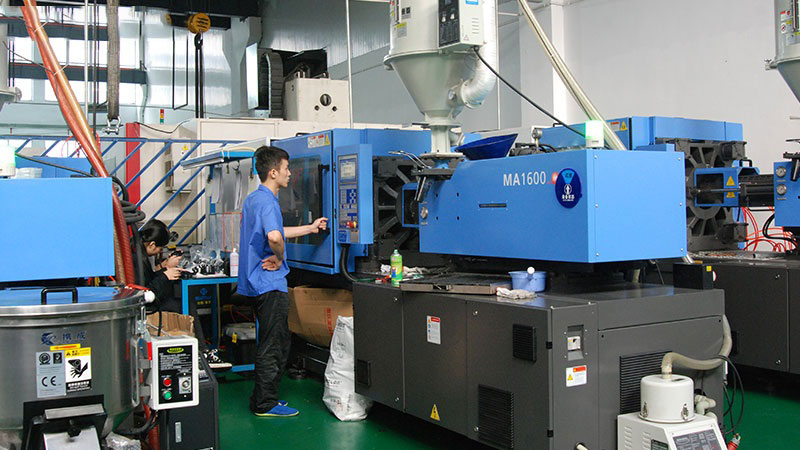
    The foundation of a successful import project lies in rigorous supplier verification. Moving beyond a simple Google search or a B2B marketplace listing is non-negotiable. Begin by shortlisting potential China mold factory candidates based on their specific expertise, whether in automotive injection molds, high-precision medical components, or large-scale consumer goods. Scrutinize their online presence: a professional website with detailed case studies, technical specifications, and clear company information is a positive initial indicator. However, verification must go deeper. Request a business license (营业执照) and, for higher-value projects, consider a third-party verification report to confirm operational scale and legal standing. The most critical step is to conduct a virtual or, ideally, in-person factory audit. Assess their machinery (look for brands like DMG Mori, Sodick, or Haitian), their workshop organization (5S methodology is a good sign), and their engineering team’s capability. Direct conversations with their project managers will reveal much about their professionalism and communication style.

    Once a qualified supplier is identified, mastering the quotation and procurement phase is essential to avoid costly misunderstandings. A precise Request for Quotation (RFQ) is your most important tool. This document must go beyond part drawings and include the mold specification: material (e.g., P20, H13, Stainless Steel), cavity count, expected lifecycle (number of shots), cooling system requirements, and surface finish (SPI standards). For injection mold projects, specify the intended production plastic resin, as this influences gate design and cooling. Be clear about deliverables: Are spare parts and a mold design report included? Is the mold base a standard LKM or HASCO type? Transparent Chinese manufacturers will provide a detailed cost breakdown. Be wary of quotes that seem abnormally low; this often signals the use of inferior materials or hidden costs that will surface later. During negotiations, focus on value—quality, communication, and warranty—rather than price alone. A well-structured contract outlining payment terms (e.g., 30-50% deposit, balance before shipment), intellectual property protection, delivery timeline, and acceptance criteria is imperative.

    Proactive quality control, integrated from the very beginning of the process, is what separates successful imports from problematic ones. Do not treat QC as a final inspection step. Engage your chosen mould manufacturers in China in a collaborative Design for Manufacturability (DFM) review before any steel is cut. A reputable supplier will provide DFM feedback to optimize part design for molding, reducing future issues. Establish clear milestones for inspection. Key stages include the approval of 3D mold flow analysis, review of mold design drawings, first article inspection (FAI) after the mold is trialed, and dimensional reports of initial shot samples. For critical components, hiring a local third-party quality inspection firm to conduct an Initial Sample Inspection (ISI) or a During Production Inspection (DPI) at the China mold factory provides an unbiased assessment. This layered approach ensures that any deviation from specification is caught and corrected early, preventing expensive rework and project delays.

    The final stages of the project—logistics, after-sales, and building a long-term partnership—require careful attention to detail. Discuss incoterms (FOB, EXW, CIF) explicitly with your supplier to clarify responsibilities for shipping, insurance, and customs clearance. Ensure the mold is properly prepared for export: it should be preserved with anti-rust treatment, securely packed in a wooden crate, and accompanied by a comprehensive set of documentation, including the final inspection report, material certificates, and assembly drawings. Reliable suppliers stand behind their work with a clear warranty, typically covering workmanship and material defects for 12-24 months or a specified number of shots. Establish a protocol for after-sales support, including the supply of spare components like wear parts. Viewing this procurement not as a one-time transaction but as the start of a strategic partnership can yield long-term benefits, including priority scheduling, continuous improvement on subsequent projects, and greater transparency in costing.

    In conclusion, importing molds from China in 2026 remains a highly viable and advantageous strategy for global businesses. The path to success is built on a structured, diligent approach that prioritizes verification, clear communication, embedded quality control, and professional partnership management. By implementing the actionable steps outlined—from deep-dive supplier audits and precise RFQs to staged inspections and clear contractual terms—overseas buyers can significantly mitigate risk and unlock the full potential of China’s manufacturing excellence. The goal is to transform a complex international procurement process into a streamlined, reliable, and value-driven extension of your own production capability. By partnering with the right China mold factory, you secure not just a tool, but a competitive advantage for years to come.

    Work With Us

    As a professional China mold manufacturer, we provide one-stop mold solution for overseas buyers.
    📞 Phone: +86-18605944639
    💬 WhatsApp: +8618605944639
    🌐 Website: bestmoldworks.com
    📧 Email: [email protected]
  • custom molded products: Professional Buying Guide 2026

    For overseas buyers and product developers, China remains the epicenter of manufacturing innovation and cost-effective production. The journey to procure high-quality custom molded products, however, is paved with both immense opportunity and potential complexity. Successfully navigating this landscape requires more than just finding a low quote; it demands a strategic, informed approach to partnership and quality assurance. This 2026 professional buying guide is designed to equip you with actionable, up-to-date strategies for importing molds and molded parts from China, transforming a daunting process into a streamlined and reliable supply chain pillar.

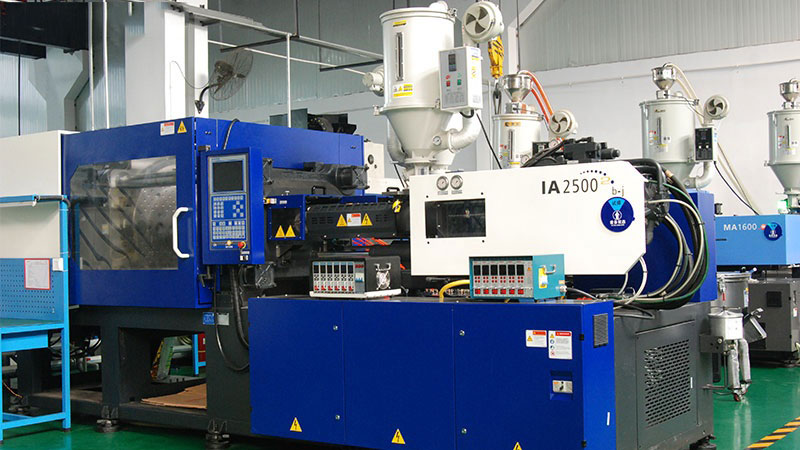
    The foundation of any successful project lies in selecting the right China mold factory. The market is vast, with suppliers ranging from small workshops to vertically integrated giants. Your first step must be rigorous supplier verification. Move beyond Alibaba storefronts. Demand detailed company audits, including business licenses, export history, and client references—preferably from companies in your region. Utilize video conferencing for virtual factory tours; in 2026, a reputable supplier will have the technology to show you their CNC machining centers, EDM equipment, and injection molding floors in real-time. Pay close attention to their expertise with materials relevant to your product, whether it’s standard polypropylene, engineering-grade resins, or biodegradable compounds. A factory that asks probing questions about your application, volume, and tolerances at this stage is often more reliable than one that simply agrees to a price.

    Once a potential partner is identified, the technical procurement phase begins. This is where clarity prevents costly errors. Your Request for Quotation (RFQ) must be a comprehensive document. For the injection mold itself, include not just part drawings but a fully detailed mold design specification: expected cavitation, steel grade (such as P20, H13, or S136 for corrosion resistance), mold flow analysis requirements, cooling line layout, and ejection system. For the final custom molded products, specify material grade (including color codes), critical dimensions with Geometric Dimensioning and Tolerancing (GD&T), surface finish requirements (SPI standards), and any post-processing like assembly, ultrasonic welding, or packaging. A professional China mold factory will review this packet and provide feedback, highlighting potential manufacturability issues. This collaborative review is a critical green flag, signaling technical competency and a commitment to prevention rather than correction.

    Quality control cannot be an afterthought; it must be engineered into the process from the first sample to mass production. Insist on a staged approval process. The initial sample from the injection mold, often called the T1 sample, should be thoroughly inspected against your master CAD model and drawings. Use this stage to verify fit, form, and function. Many buyers now employ third-party quality inspection services in China to conduct detailed Dimension Report inspections at this phase. Before production commences, a Pre-Production Sample from the mass-production batch is essential. Finally, implement clear In-Process Quality Control (IPQC) protocols and agree on an Acceptable Quality Level (AQL) for final random inspections before shipment. Modern suppliers should provide real-time access to inspection data and even live feeds from production lines. This transparent, data-driven approach to quality control is the standard for 2026 and separates industry leaders from the rest.

    Managing the commercial and logistical framework is equally vital. While price is a factor, prioritize a contract that clearly defines intellectual property (IP) ownership—your mold design and product are your assets. Terms should cover payment milestones (e.g., 30% with order, 40% after sample approval, 30% before shipment), warranty period for the injection mold (typically 12-24 months against workmanship and material defects), and liability for delays. Logistics planning should start early. Discuss incoterms (FOB, EXW, CIF) explicitly to avoid hidden costs. Consider the growing importance of sustainability; inquire about the factory’s environmental certifications and their ability to use or regrind recycled materials, a concern increasingly important to end-consumers in Western markets.

    In conclusion, importing custom molded products from China in 2026 is a professional discipline that blends technical diligence with strategic partnership. The path to success is defined by meticulous supplier verification, uncompromising clarity in technical specifications, a proactive and embedded quality control regime, and watertight commercial agreements. By adopting this structured approach, you move from being a passive buyer to an informed partner. This empowers you to leverage China’s unparalleled manufacturing ecosystem not just for cost savings, but for innovation, quality, and scalability, turning your product vision into a reliable, market-ready reality. The future of procurement is collaborative, transparent, and data-informed; your supply chain should be no different.

    Work With Us

    As a professional China mold manufacturer, we provide one-stop mold solution for overseas buyers.
    📞 Phone: +86-18605944639
    💬 WhatsApp: +8618605944639
    🌐 Website: bestmoldworks.com
    📧 Email: [email protected]
  • custom injection molders: Reliable Manufacturers Guide 2026

    For overseas buyers, partnering with the right custom injection molders in China remains one of the most strategic decisions to achieve cost efficiency, scalability, and competitive advantage. However, the path from initial inquiry to receiving flawless, production-ready molds is fraught with potential pitfalls, from communication gaps to inconsistent quality. This guide for 2026 cuts through the noise to provide a professional, actionable framework for identifying and collaborating with reliable Chinese mold manufacturers. We focus on solving real procurement problems with structured, verified approaches.

    Mastering Supplier Verification and Qualification

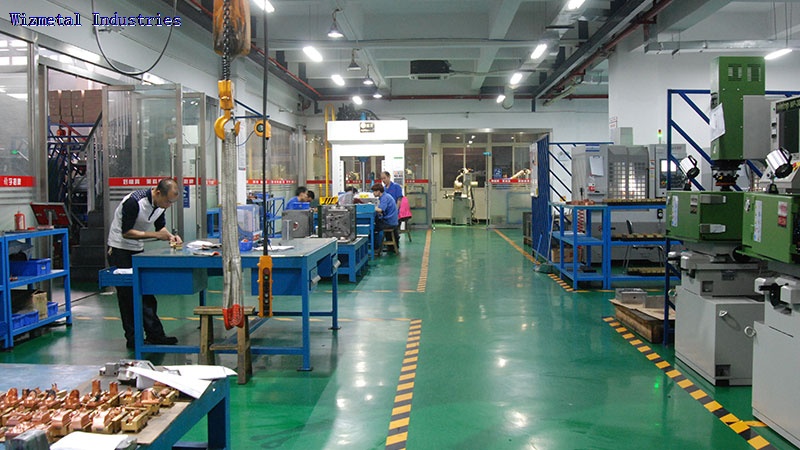
    The foundation of a successful import project is rigorous supplier verification. Moving beyond Alibaba listings is crucial. In 2026, due diligence involves a multi-layered approach. Start with a deep analysis of the China mold factory’s digital footprint: examine their professional website for technical blogs, detailed case studies, and engineering-focused content. Utilize third-party verification services to check business licenses and export credentials. However, the most critical step is a virtual or, ideally, in-person audit. Request a live video tour of their facility—focus on their mold-making workshops, injection molding machines for testing, and quality control labs. Ask for specific client references from your region or industry and contact them directly to inquire about project management, problem-solving, and post-sales support. This process separates marketing-centric agents from genuine, capable custom injection molders.

    Navigating Technical Communication and Design for Manufacturability

    A precise technical dialogue prevents costly revisions and delays. The most reliable manufacturers act as engineering partners, not just order takers. To facilitate this, always provide a comprehensive Request for Quotation (RFQ) package. This should include not just 3D CAD files (STEP or IGS) and 2D drawings with GD&T, but also critical details like intended material, annual volume, cavity requirements, and cosmetic specifications. Embrace their Design for Manufacturability (DFM) feedback. A competent China mold factory will return a detailed DFM report highlighting potential issues like undercuts, wall thickness inconsistencies, or problematic gate locations. Their willingness to engage in this technical discussion is a key indicator of professionalism. Clear communication protocols, including a single point of contact who speaks technical English, are non-negotiable for smooth procurement.

    Implementing Proactive Quality Control from Steel to Sample

    Quality cannot be inspected into a mold; it must be built into every stage. Proactive quality control is your most powerful tool. Define and agree upon a Quality Inspection Plan (QIP) before the contract is signed. This plan should mandate checkpoints with documented evidence. Key stages include: material certification for the mold steel (e.g., 718H, NAK80), inspection of the finished mold cavity using CMM reports to confirm dimensions against your drawings, and most importantly, a First Article Inspection (FAI) from sample shots produced on their machines. Insist on receiving actual sample parts, along with a full dimensional report and process parameters. For critical projects, consider engaging a local third-party quality inspection firm to conduct an on-site audit during the Trial Run Test (TRO). This layered QC approach mitigates the risk of receiving a sub-standard injection mold.

    Structuring Contracts and Managing Logistics for Risk Mitigation

    A clear contract protects both parties and sets the project up for success. Your agreement should go beyond just price and delivery time. Specify payment terms linked to milestones (e.g., 30% upon order, 40% after sample approval, 30% before shipment). Crucially, define ownership of intellectual property and mold tooling. Explicitly state who retains the physical mold and the design files. Warranty terms for workmanship and lifespan (e.g., 1 million shots) should be clearly outlined. Regarding logistics, understand Incoterms 2020—FOB is common, but you may consider EXW for more control or CIF for simplicity. Plan for mold protection: ensure the China mold factory properly crates the tool and uses anti-corrosion treatments for ocean freight. Reliable custom injection molders will guide you through this process and provide all necessary shipping and customs documentation.

    Building a Partnership for Long-Term Production Success

    View your chosen supplier not as a one-time vendor, but as a long-term extension of your manufacturing capability. After successful mold procurement, the relationship evolves into ongoing production support. Discuss their capacity for mass production or their network of trusted injection molding partners if they are a dedicated mold shop. Establish protocols for mold maintenance, repair, and potential future modifications. A reliable partner will keep a record of your mold and be able to efficiently service it or produce additional cavities as your business grows. This strategic partnership, built on transparency and proven performance, transforms the initial procurement challenge into a sustained competitive asset.

    Conclusion

    Importing high-quality molds from China in 2026 demands a disciplined, knowledge-based approach centered on verification, communication, and proactive quality management. By meticulously qualifying your China mold factory, engaging in detailed technical reviews, implementing staged quality control, and securing clear contractual terms, you transform procurement risk into a reliable pipeline for precision tooling. The goal is to move beyond transactional purchasing to establish a true engineering partnership. By following this guide, overseas buyers can confidently navigate the landscape and secure a collaboration with a manufacturer that delivers not just an injection mold, but consistent value, quality, and support for years to come.

    Work With Us

    As a professional China mold manufacturer, we provide one-stop mold solution for overseas buyers.
    📞 Phone: +86-18605944639
    💬 WhatsApp: +8618605944639
    🌐 Website: bestmoldworks.com
    📧 Email: [email protected]
  • mould manufacturers in china: Reliable Manufacturers Gu 2026

    For overseas businesses, from ambitious startups to established OEMs, sourcing precision tooling from China remains a strategic move to balance cost, capability, and speed to market. The landscape of **mould manufacturers in China** is vast and varied, offering immense opportunity alongside notable challenges. The core question for 2026 and beyond is not *if* to source from China, but *how* to identify and partner with truly reliable manufacturers. This guide cuts through the noise to provide a professional, actionable framework for your procurement journey, ensuring your project lands with a competent partner who delivers quality, consistency, and value.

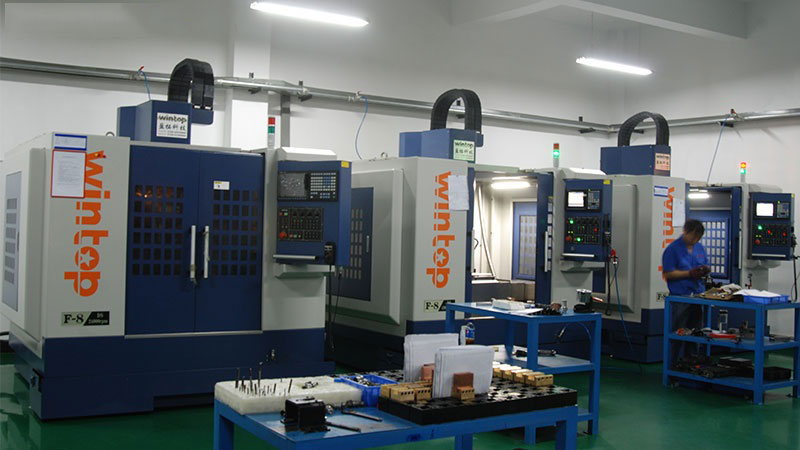
    The foundation of a successful import project is rigorous supplier verification. Moving beyond a simple Alibaba search or a glossy website is non-negotiable. Begin by demanding concrete proof of capability. A credible **China mold factory** should readily provide a detailed company profile listing their core competencies, such as injection mold design, CNC machining capacity, EDM capabilities, and tonnage ranges of injection molding machines for testing. Insist on a virtual or recorded video factory tour; a refusal is a significant red flag. Crucially, verify their experience with your specific industry—whether automotive, medical, consumer electronics, or packaging—as standards and tolerances differ dramatically. Utilize third-party verification services to check business licenses, export history, and any potential legal disputes. This upfront diligence filters out trading companies masquerading as manufacturers and aligns you with workshops possessing the genuine technical skill for your project.

    Once a shortlist of potential partners is established, mastering the technical and commercial discussion is critical. Professional **mould manufacturers in China** expect and respect detailed inquiries. Start with a comprehensive RFQ (Request for Quotation) package. This should include not just a 3D model (STEP or IGS format), but a fully detailed specification sheet: material (e.g., POM, ABS, PP), expected annual volumes, cavity requirements, surface finish (SPI standards), tolerance levels, and critical dimensions. This clarity prevents misunderstandings and allows for accurate, comparable quotes. Discuss the mold flow analysis process—a reputable manufacturer will perform and review this simulation to predict and prevent filling issues, warpage, and sink marks. Furthermore, explicitly agree on milestones, payment terms (e.g., 30-50% deposit, balance before shipment), and ownership of design and intellectual property. A transparent, detailed contract is your primary safeguard.

    The pivotal phase where many offshore projects falter is quality control. Proactive, structured QC is the difference between a smooth launch and a costly disaster. Do not rely solely on the manufacturer’s final inspection report. Implement a staged inspection protocol. The First Article Inspection (FAI) after initial mold trials is essential. This requires the supplier to send samples along with a dimensional report (CMM data) and pictures/videos of the mold. For critical projects, engage a local third-party quality inspection firm to conduct an Initial Production Check (IPC) during the first mass-production run. They can verify materials, dimensions, assembly, and appearance against your approved master sample. Establish clear Acceptable Quality Level (AQL) standards for ongoing orders. Remember, investing in preshipment inspections, while an added cost, is exponentially cheaper than dealing with a container of defective parts at your warehouse. This layered approach to quality control places accountability on the **China mold factory** and provides you with objective data at every step.

    Effective communication and project management bridge the geographical and cultural gap. Recognize that English proficiency on the factory floor may be limited; your key contact should be a project manager or sales engineer with strong technical English. Establish a single point of contact and insist on regular, scheduled updates via email and video call, supplemented by platforms like WhatsApp or WeChat for quick clarifications. Use visual communication extensively: annotate pictures, mark up PDFs, and share screen recordings to explain issues. Be mindful of time zones and major Chinese holidays, which can cause significant delays. Building a professional, respectful, and patient relationship is paramount. View your manufacturer as a long-term partner, not just a transactional vendor. This fosters better problem-solving when challenges inevitably arise and encourages the supplier to prioritize your project.

    Looking toward 2026, the most reliable manufacturers are those embracing sustainable and digital-forward practices. In your evaluation, consider asking about their approach to environmental compliance, such as waste management and energy efficiency, which increasingly impacts supply chain requirements. Digitally mature suppliers offer significant advantages. They may utilize cloud-based project management portals for real-time progress tracking, share 3D inspection reports, and employ IoT-enabled machines that provide machining data. This transparency integrates their operations with your procurement process, reducing uncertainty. Furthermore, discuss their capability and willingness to support your after-sales needs, such as storing mold assets, performing maintenance, and facilitating future modifications or spare parts. A forward-thinking partner invested in technology and partnership is a strategic asset for your long-term supply chain resilience.

    In conclusion, successfully importing molds from China in 2026 demands a methodical, informed approach that prioritizes verification, clarity, and proactive collaboration. The landscape is competitive, and the most skilled **mould manufacturers in China** are seeking serious, professional international buyers. By implementing stringent supplier verification, mastering the technical procurement dialogue, enforcing a multi-stage quality control regimen, managing communication effectively, and aligning with digitally-advanced partners, you mitigate the inherent risks. This transforms the complex process of offshore mold sourcing from a daunting challenge into a reliable, value-driving pillar of your manufacturing strategy. Your diligence in selecting the right partner is the most critical component of the mold itself—it forms the foundation upon which your product quality, cost efficiency, and market success are built.

    Work With Us

    As a professional China mold manufacturer, we provide one-stop mold solution for overseas buyers.
    📞 Phone: +86-18605944639
    💬 WhatsApp: +8618605944639
    🌐 Website: bestmoldworks.com
    📧 Email: [email protected]

  • tyre mould manufacturers in china: Complete Procurement 2026

    For global tire brands and manufacturers, sourcing high-precision tyre moulds is a critical strategic decision that directly impacts product quality, production efficiency, and market competitiveness. China has solidified its position as the world’s leading hub for mould manufacturing, offering an unparalleled combination of advanced technological capabilities, extensive material knowledge, and cost-effective production scales. However, navigating this vast and complex supplier landscape requires a methodical and informed approach. This complete procurement guide for 2026 is designed to equip overseas buyers with actionable, professional insights to successfully identify, verify, and partner with top-tier **tyre mould manufacturers in China**, ensuring a seamless and profitable import process.

    The foundation of a successful procurement journey lies in meticulous supplier verification, a step that has evolved significantly with digital tools. Moving beyond simple online directories, a 2026-ready verification process is multi-layered. Begin with a deep-dive analysis of a potential **China mold factory**’s specialization. The tyre mould sector is distinct, requiring expertise in complex segmental moulds for radial tires, two-piece moulds for PCR, and sophisticated curing processes. Scrutinize their portfolio for specific experience in your tire category. Subsequently, leverage video conferencing for virtual factory tours, insisting on live walks through CNC machining centers, EDM (Electrical Discharge Machining) departments, and quality control labs. Verify hard certifications such as IATF 16949 for the automotive quality management system, which is non-negotiable for serious suppliers. Furthermore, use international trade platforms to check business licenses and, crucially, request and independently contact a list of their existing overseas clients for unbiased references. This triangulation of digital checks, certification validation, and peer reviews forms a robust verification shield.

    Once a shortlist of credible partners is established, the focus must shift to engineering collaboration and technical specification clarity. The most common point of failure in mould procurement is ambiguous or incomplete technical requirements. Engage in detailed technical discussions with your shortlisted **tyre mould manufacturers in China** early in the RFQ process. Provide comprehensive 3D drawings, specify exact steel grades (such as P20, 2738, or H13 for critical components), and define all surface finish requirements, including venting details and texture specifications. Discuss their standard design protocols for wear plates, guiding systems, and heating channels. A professional manufacturer will proactively ask detailed questions and may suggest design-for-manufacturability improvements to enhance mould longevity and performance. This phase is also the time to agree on a milestone-based project timeline, integrating stages for design approval, material inspection, pre-shipment testing, and clearly defining responsibilities for any required debugging.

    Implementing rigorous, on-site quality control protocols is the single most effective strategy to mitigate risk and ensure the mould meets your production standards. Do not rely solely on final inspection reports provided by the supplier. For 2026 procurement, building a proactive QC plan is essential. This should include at least three critical checkpoints. First, arrange for a third-party or your own QC agent to conduct an initial production check (IPI) to verify the raw material certificates and the first article of machining. Second, a during production check (DPI) monitors critical machining processes. The most vital is the pre-shipment inspection (PSI), where the finished mould is assembled and, ideally, tested. The gold standard is a trial run or “sample curing” at the manufacturer’s facility or a partnered local tire plant. Witnessing a first-shot tire being produced allows for the verification of dimensional accuracy, tire uniformity, and the functionality of the mould’s segmentation and ejection system. Document every step with high-resolution photos and videos, creating a transparent record for both parties.

    Navigating logistics, compliance, and the post-sales relationship is what transforms a transaction into a strategic partnership. Professional Chinese mould factories are experienced in exporting bulky, high-value equipment. Clarify Incoterms 2020 explicitly—typically, FOB is standard, defining exactly where your responsibility begins. Ensure the supplier handles professional export crating, using reinforced wooden cases with proper waterproofing and internal blocking to prevent transit damage. They should provide a detailed packing list, commercial invoice, and all necessary export documentation. Discuss post-sales support terms before finalizing the contract. This includes warranty duration (typically 12-18 months), the scope of coverage, and protocols for handling wear or damage. Establish clear terms for the provision of spare parts, such as sidewall plates or specific segments, and discuss potential framework agreements for future maintenance or new projects. A reliable partner views the sale as the beginning of the relationship, not the end.

    In conclusion, procuring tyre moulds from China in 2026 is a strategic endeavor that rewards diligence, technical clarity, and proactive partnership management. The landscape is mature, with numerous highly capable suppliers, but success hinges on a buyer’s systematic approach. By executing thorough supplier verification, engaging in precise technical collaboration, enforcing staged quality control, and structuring clear logistical and post-sales terms, overseas buyers can confidently leverage the expertise and efficiency of Chinese mould manufacturing. This disciplined procurement process minimizes risk, ensures a superior return on investment, and secures a high-precision production tool that will form the foundation of your tire manufacturing quality for years to come. The opportunity is substantial for those who navigate it with the right knowledge and partners.

    Work With Us

    As a professional China mold manufacturer, we provide one-stop mold solution for overseas buyers.
    📞 Phone: +86-18605944639
    💬 WhatsApp: +8618605944639
    🌐 Website: bestmoldworks.com
    📧 Email: [email protected]

  • mold manufacturer china: Best Suppliers & Quality Cont 2026

    For overseas buyers, sourcing precision tooling from a mold manufacturer in China remains one of the most strategic decisions to achieve cost efficiency and scale production. However, the landscape is vast and navigating it to find reliable partners while ensuring impeccable quality can be daunting. As we look toward 2026, the challenges are not just about finding a supplier but about implementing a robust procurement and verification process that mitigates risk and guarantees value. This guide provides actionable, forward-looking strategies to help you identify the best China mold factory and establish ironclad quality control protocols for a successful partnership.

    The foundation of a successful import project lies in meticulous supplier verification. Moving beyond simple Alibaba listings is crucial for 2026. Start with a deep-dive analysis of a potential China mold factory’s specialization. Does their expertise align with your needs, be it complex injection molds for medical devices or large automotive panels? Scrutinize their technical capabilities through detailed equipment lists and engineering team credentials. The most critical step is to conduct a virtual or, ideally, in-person audit. Request a live video tour of their facility, focusing on their machining centers, EDM equipment, and, importantly, their quality control lab. Verify certifications like ISO 9001, but understand their practical application. Ask for and contact past overseas clients with projects similar in scale and complexity to yours. This level of due diligence separates market leaders from mediocre workshops.

    Once a potential partner is shortlisted, mastering the technical and commercial discussion is your next hurdle. Clear, unambiguous communication of your specifications is non-negotiable. Provide not just a 3D model, but a comprehensive technical data sheet covering material type, expected annual volumes, cavity requirements, surface finish specifications, and tolerance levels. For injection mold projects, discuss mold flow analysis as a standard deliverable to prevent future defects. The commercial negotiation should transcend unit price. Focus on the total cost of ownership, which includes mold lifecycle, warranty terms, and post-sales support. Establish a milestone-based payment schedule (e.g., 30% upon order, 40% after T1 sample approval, 30% before shipment) to align incentives. Clearly define ownership of intellectual property and mold design in the contract. This structured approach ensures both parties have aligned expectations before production commences.

    Implementing proactive quality control throughout the manufacturing process is the single most effective way to prevent costly failures. Do not settle for a final inspection alone. Insist on a First Article Inspection (FAI) report for the initial sample. More importantly, mandate in-process inspections with documented evidence. A reputable mold manufacturer china will provide regular updates with photos and videos of key stages: material certification, core and cavity machining, heat treatment reports, and pre-assembly checks. For precision components, coordinate measuring machine (CMM) reports are essential. Consider engaging a trusted third-party quality inspection service in China for critical milestone inspections, especially for the initial Trial Run (T1) sample. This sample should be evaluated on your production-equivalent machinery to test functionality, part dimensions, and cosmetic standards. This layered QC approach identifies issues early, when they are least expensive to correct.

    The journey does not end with a perfect T1 sample. Planning for the post-production phase is vital for long-term success. Discuss and agree upon mold maintenance and repair protocols. Will the supplier hold spare parts? What are the response times for repair requests? Ensure you receive a complete mold set, including all design drawings, 3D files, and a detailed maintenance manual. For injection mold projects, having access to the mold flow analysis data is invaluable for troubleshooting future production issues. Establish clear communication channels for ongoing support. Furthermore, view your first project as a pilot for a larger strategic partnership. A supplier that excels in transparency, problem-solving, and technical collaboration on the first mold is a candidate for a long-term alliance, simplifying future procurement cycles and ensuring consistency across your product lines.

    In conclusion, sourcing from a leading mold manufacturer in China in 2026 demands a sophisticated, hands-on approach that prioritizes verification, clear communication, and integrated quality control. The competitive advantage is no longer found in simply chasing the lowest quote but in building a transparent, technically aligned partnership with a capable China mold factory. By rigorously vetting suppliers, governing the process with detailed contracts and milestone payments, insisting on in-process quality evidence, and planning for the mold’s entire lifecycle, overseas buyers can transform the perceived risk of offshore procurement into a reliable, high-value supply chain pillar. The path to securing top-tier injection molds and tooling is one of diligent process, and with these strategies, you are equipped to navigate it successfully.

    Work With Us

    As a professional China mold manufacturer, we provide one-stop mold solution for overseas buyers.
    📞 Phone: +86-18605944639
    💬 WhatsApp: +8618605944639
    🌐 Website: bestmoldworks.com
    📧 Email: [email protected]

  • plastic mold: Complete Procurement Guide 2026 | China Mold Factory

    For global businesses, from ambitious startups to established OEMs, sourcing a plastic mold from China remains a strategic move to balance quality, innovation, and cost. The potential for significant savings and access to advanced manufacturing ecosystems is undeniable. Yet, the path is fraught with complexities—cultural nuances, logistical hurdles, and quality variances can turn a promising venture into a costly lesson. This guide is crafted not to sell you on the idea, but to equip you with a clear, actionable, and professional framework for successful procurement in 2026. We move beyond generic advice to solve the real problems you face when engaging a China mold factory.

    The cornerstone of a successful import project is selecting the right partner. The Chinese manufacturing landscape is vast, with thousands of mold shops ranging from backyard workshops to fully automated, ISO-certified facilities. Your first task is precise supplier verification. Begin by moving past Alibaba listings alone. Utilize professional B2B platforms like Made-in-China or Global Sources, but treat them as a starting point for identification. The critical step is a multi-layered verification process. Demand to see business licenses, audit reports if available, and most importantly, a comprehensive portfolio. A professional China mold factory will readily provide detailed case studies, including part design, mold flow analysis, and final product shots. Initiate video calls to conduct virtual factory tours; observe the machinery, workshop organization, and engineering team. In 2026, a reluctance to show real-time operations is a significant red flag. Verify their expertise in your specific niche, be it automotive, medical, or consumer electronics, as specialization often trumps generalist capabilities.

    Once a potential partner is shortlisted, the focus shifts to technical alignment and commercial clarity. The design and quotation phase is where misunderstandings germinate. To procure a reliable plastic mold, you must provide a complete and clear set of requirements. This includes not just a 3D part file, but a comprehensive technical data pack: material specifications, expected annual volumes, cycle time targets, part quality standards, and certification needs. Insist on a detailed, line-item quotation. A professional quote will break down costs for mold base, cavity and core materials, hot runner system, labor, and any secondary treatments. It should explicitly state mold life expectancy, warranty terms, and ownership of design files. Crucially, request and review their mold flow analysis report before cutting steel. This simulation is non-negotiable; it predicts filling, cooling, and potential defects, proving the factory’s engineering prowess and preventing costly redesigns later. Clarify all payment terms—standard milestones like 30% deposit, 40% after T1 sample approval, and 30% before shipment are common, but everything is negotiable.

    With the contract signed, proactive and structured quality control becomes your most powerful tool. Do not adopt a “wait and see” approach until shipment. Implement a staged inspection protocol. The First Article Inspection after the initial T1 sample is critical. This is where you verify dimensional accuracy against your CAD data, assess surface finish, and test the part in its intended assembly. Employ a trusted third-party inspection service for objectivity, especially for high-value molds. Their report should cover not just the plastic part, but the mold itself: steel hardness, polish quality, and action smoothness. Maintain a continuous feedback loop with the project engineer. Schedule weekly update calls with photos and videos of progress. A transparent China mold factory will welcome this engagement as it demonstrates your seriousness and helps catch issues early. Remember, the goal of quality control is not to find faults at the end, but to build correctness into every step of the injection mold manufacturing process.

    The final stage—logistics, payment, and long-term partnership—requires careful navigation. Understand Incoterms thoroughly. For high-value, precision tools like an injection mold, FOB is often preferred, giving you control over the shipping and insurance process. Ensure the mold is properly prepared for export: cleaned, preserved with anti-rust agents, and securely packed in a custom wooden crate. All critical documentation, including the final inspection report, material certificates, and detailed assembly drawings, should be shipped with the mold. Upon successful completion of your first project, view this as the foundation for a strategic partnership. A reliable supplier is an asset. Provide constructive feedback, discuss future projects, and explore opportunities for continuous improvement. A strong relationship with a competent China mold factory can lead to better pricing, priority scheduling, and collaborative problem-solving for future plastic mold needs, turning a transactional purchase into a competitive advantage.

    Importing a plastic mold from China in 2026 is a process that rewards diligence, clear communication, and strategic partnership. It is a technical procurement exercise, not merely a purchase. By methodically executing supplier verification, demanding engineering rigor through tools like mold flow analysis, enforcing staged quality control, and managing logistics with clarity, you mitigate the inherent risks. The outcome is not just a tool, but a high-quality, cost-effective asset that drives your production. The Chinese manufacturing sector continues to evolve, with leading factories investing in automation and smart manufacturing. Your informed, professional approach ensures you engage with this advanced tier, securing value and reliability for your business now and into the future.

    Work With Us

    As a professional China mold manufacturer, we provide one-stop mold solution for overseas buyers.
    📞 Phone: +86-18605944639
    💬 WhatsApp: +8618605944639
    🌐 Website: bestmoldworks.com
    📧 Email: [email protected]

  • silicone mould factory near me: Best Suppliers & Qualit 2026

    For overseas buyers and businesses, the search for a reliable “silicone mould factory near me” often leads to a global marketplace, with China standing out as the premier destination for high-quality, cost-effective tooling. However, procuring molds from a different continent involves navigating complexities in supplier verification, communication, and quality control. This guide is designed to cut through the noise and provide you with a professional, actionable framework for successfully importing silicone and injection molds from China in 2026 and beyond. We will move beyond simple directory listings to focus on strategic procurement practices that ensure you partner with the best suppliers for your specific project needs.

    The fundamental shift in mindset begins with redefining “near me.” In today’s interconnected manufacturing landscape, proximity is less about geographic distance and more about supply chain accessibility and transparency. Your ideal China mold factory is one that operates as a seamless extension of your own production planning. The goal is not to find the closest factory physically, but to identify a partner that feels close through responsive communication, reliable processes, and consistent quality. This requires a diligent approach, starting with a deep and verified supplier shortlist, rather than a reactive search based solely on quoted price.

    Effective supplier verification is the non-negotiable first step. In 2026, due diligence goes far beyond checking a website. Start by verifying business licenses (via platforms like Tianyancha) and requesting detailed company profiles with a history of export to your region. Crucially, insist on video tours of the factory floor. A reputable supplier will readily showcase their CNC machining centers, EDM equipment, and silicone molding or injection mold production areas. Pay close attention to their quality control stations and measuring equipment. Furthermore, request and contact references from past overseas clients. Ask specific questions about communication, adherence to timelines, and post-sales support. This phase is an investment that filters out trading companies masquerading as factories and identifies true manufacturing partners.

    Once you have a vetted shortlist, defining and communicating your specifications with absolute clarity becomes paramount. This is where many projects encounter costly setbacks. For silicone molds, provide detailed information about the intended casting material (e.g., polyurethane resin, concrete, soap), required durometer (shore hardness), expected production cycles, and any certifications needed (FDA, LFGB). For injection molds, comprehensive 3D drawings (STEP, IGS) with clear tolerance callouts, surface finish requirements (SPI standards), and material selection (P20, S136, aluminum) are essential. Develop a shared technical document that includes all critical dimensions, gate and ejector pin locations, and a sample part if possible. This document becomes the binding standard for quality control, preventing misunderstandings and ensuring the final tool meets your exact functional requirements.

    Implementing a structured quality control protocol is your primary risk mitigation tool. Never settle for “trust us, the mold is good.” For injection molds, insist on a First Article Inspection (FAI) report and a pre-shipment sample batch of parts produced from the finished mold. These parts should be measured against your CAD data using a Coordinate Measuring Machine (CMM) report provided by the factory. For silicone molds, request sample castings to verify detail reproduction, flexibility, and release properties. Consider engaging a third-party quality inspection service based in China for critical milestones, such as the initial steel inspection and the final sample approval. These inspectors act as your eyes on the ground, providing unbiased reports and preventing the shipment of non-conforming tools. This proactive approach to quality control saves significant time and cost compared to rectifying faults after the mold arrives at your facility.

    Managing logistics, intellectual property (IP), and the partnership beyond the sale are the final pillars of a successful import strategy. Use clear Incoterms (e.g., FOB Shanghai) to define responsibilities and costs for shipping and insurance. Ensure all commercial invoices and packing lists are accurate for smooth customs clearance in your country. Regarding IP protection, a well-drafted Non-Disclosure Agreement (NDA) and a product confidentiality clause within your purchase contract are vital. Finally, view this not as a one-time transaction but as the beginning of a long-term partnership. A reliable China mold factory will offer ongoing support for mold maintenance, design modifications, and future projects. Establishing this collaborative relationship is the true culmination of your search for a trustworthy “silicone mould factory near me,” regardless of the miles on a map.

    In conclusion, sourcing molds from China in 2026 demands a strategic, process-driven approach that prioritizes verification, clarity, and control over simplistic searching. By redefining proximity as a measure of reliability, conducting thorough supplier verification, communicating specifications with precision, enforcing rigorous quality control protocols, and planning for the long-term partnership, you transform the complex challenge of international procurement into a competitive advantage. The best suppliers are those that align with your standards and business goals, offering not just a tool, but a foundation for your product’s quality and market success. Start your next project with this framework to confidently navigate the market and secure a partnership that delivers exceptional value and quality.

    Work With Us

    As a professional China mold manufacturer, we provide one-stop mold solution for overseas buyers.
    📞 Phone: +86-18605944639
    💬 WhatsApp: +8618605944639
    🌐 Website: bestmoldworks.com
    📧 Email: [email protected]