For overseas businesses, understanding how to make a custom mold in China represents one of the most significant competitive advantages in manufacturing today. The combination of technical expertise, advanced manufacturing capabilities, and cost efficiency is compelling. However, the journey from concept to a perfect, production-ready mold involves navigating a complex landscape. This guide, updated for 2026, provides expert, actionable solutions to the real challenges international buyers face, ensuring your procurement process is smooth, secure, and successful.
The foundation of a successful custom mold project lies not in the machining, but in the preparatory stages with your chosen China mold factory. The most critical step is providing impeccable design data. In 2026, this means more than just sending a 3D CAD file of your final part. Expert manufacturers require a comprehensive Design for Manufacturability (DFM) analysis. Before you request a quote, collaborate with your internal team or a design service to ensure your part design considers mold flow, appropriate draft angles, wall thickness uniformity, and gate locations. Providing a detailed, annotated specification document alongside your 3D files dramatically reduces miscommunication. This document should include material specifications (e.g., ABS, PP), expected annual volumes, color requirements, surface finish (SPI standards), and critical tolerance dimensions. A clear, complete data package allows the mold maker to provide an accurate quote and timeline from the outset, preventing costly and time-consuming revisions later.
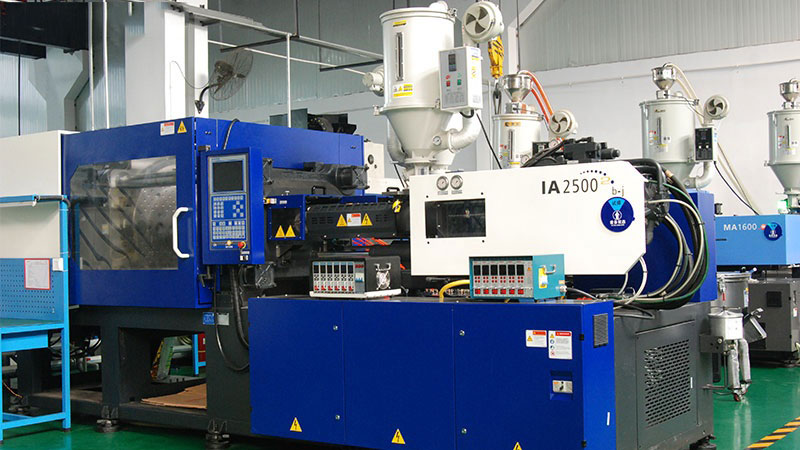
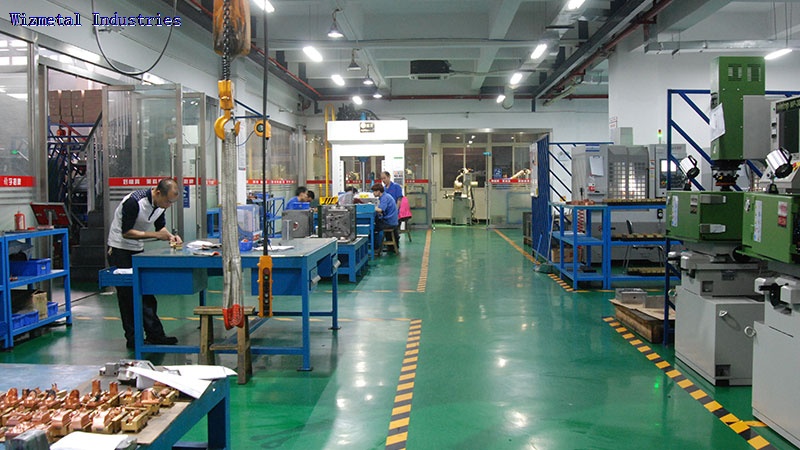
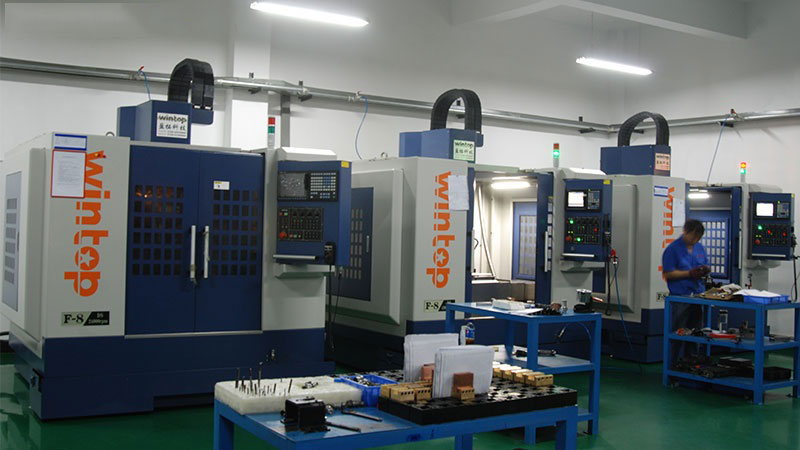
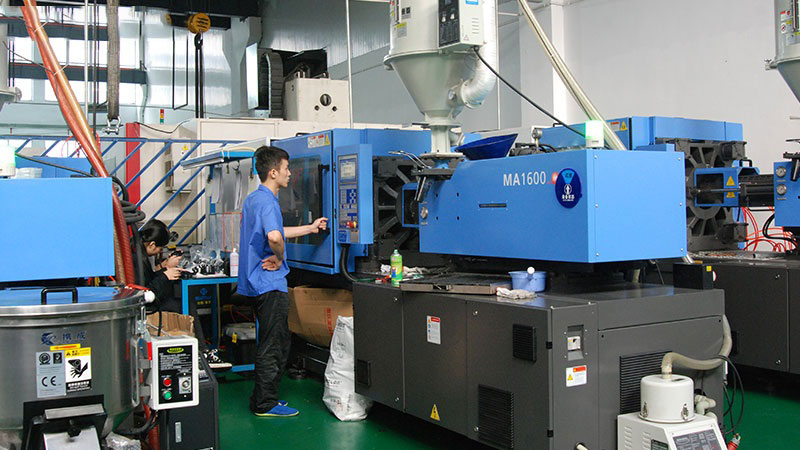
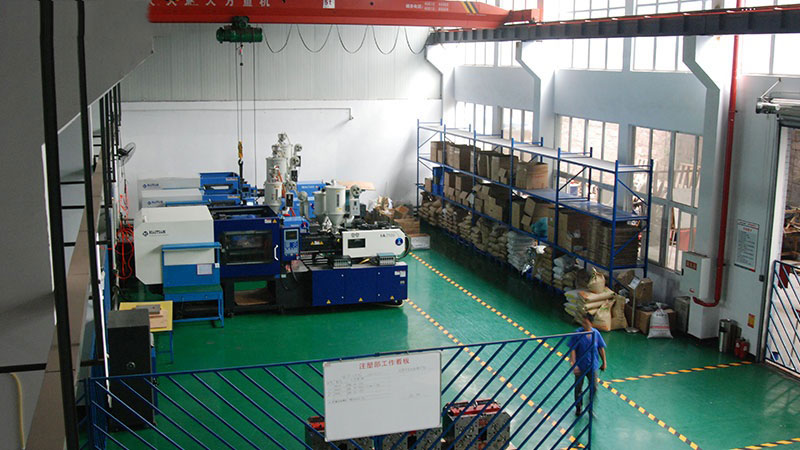
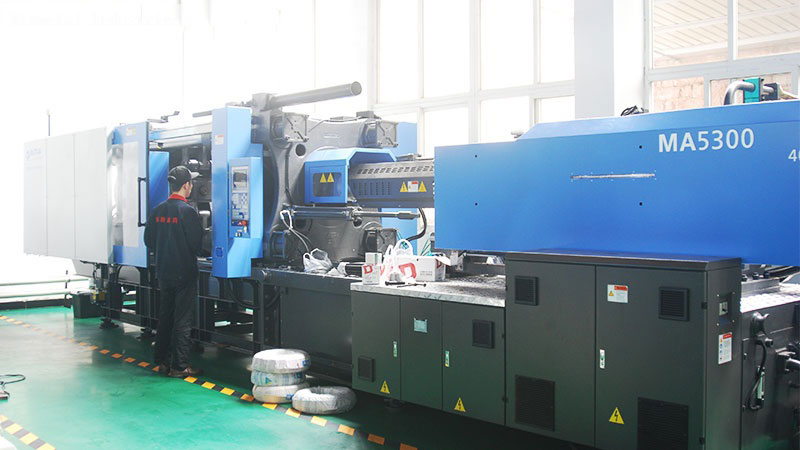
With your design package ready, the next pivotal phase is rigorous supplier verification. The term “China mold factory” encompasses a vast spectrum, from rudimentary workshops to fully automated, Industry 4.0-integrated facilities. In 2026, verification goes beyond checking a company website. Start with a deep due diligence process: verify business licenses, explore their portfolio for molds similar in size and complexity to yours, and insist on a virtual or recorded video tour of their facility. Pay close attention to their machinery—modern, high-precision CNC, EDM, and deep-hole drilling machines are essential for quality. Crucially, investigate their in-house capabilities versus outsourced processes. A factory that manages core processes like design, machining, and trial assembly under one roof offers better quality control and communication. Utilize third-party inspection platforms and request contact information for past international clients for unbiased references. This verification stage is your primary defense against project failure.
After selecting a partner, mastering the procurement and project management workflow is essential. A professional mold maker will follow a structured process, and you must actively engage at each milestone. The process typically begins with finalizing the mold design and flow analysis, where you must approve the 2D mold drawings, cavity layout, and cooling circuit design. Following this, regular progress updates with photos or videos from the machining floor (e.g., rough machining, heat treatment, precision finishing) are non-negotiable. The most critical milestone is the Trial Out Report (T.O.R.). Upon the first sample shots, the factory should provide a detailed report including photos of the molded parts, measurements against your CAD data, and a log of the injection parameters used. Do not approve mass production until you have physically evaluated these first articles (FAIs) yourself or via a third-party inspection service. Clear payment terms linked to these milestones (e.g., 30% deposit, 40% after T.O.R. approval, 30% before shipment) protect both parties and align incentives with project progress.
For injection mold projects, proactive quality control is the strategy that separates adequate outcomes from excellence. Do not treat QC as a final inspection before shipment; integrate it throughout the manufacturing cycle. Specify the steel grade and hardness (e.g., P20, H13, S136) and request material certificates. For critical components, you may mandate the use of specific, traceable steel brands. During the sampling phase, the focus should be on dimensional accuracy, surface finish, and part functionality. In 2026, leveraging technology is key. Require the use of Coordinate Measuring Machine (CMM) reports for critical dimensions and ask for close-up video of the mold movement and ejection sequence. For higher volume projects, discuss and plan for a pre-production batch run at the factory to test the mold’s stability and cycle time under continuous operation. This identifies wear issues before the mold is shipped overseas, where repairs become exponentially more expensive and time-consuming.
Finally, navigating the post-production landscape is crucial for long-term success. A reliable supplier will see the mold delivery not as the end, but as the start of a lifecycle partnership. Ensure your contract includes clear terms for mold warranty (typically 1-2 years against manufacturing defects) and the process for handling repairs or modifications. Discuss spare parts—will the factory provide a basic set of spare components like ejector pins and heaters? Establish protocols for future communication. If you need to ramp up production or modify the part, having a trusted partner who understands the original design intent is invaluable. Furthermore, consider the total cost of ownership. A slightly higher initial investment in a robust mold from a verified supplier often results in lower per-part costs over its lifespan due to fewer breakdowns, better cycle times, and consistent part quality.
In conclusion, mastering how to make a custom mold in China is a systematic process of meticulous preparation, verification, active management, and quality integration. The landscape in 2026 demands a professional, hands-on approach from international buyers. By providing exceptional design data, conducting thorough supplier verification, engaging deeply in the procurement milestones, enforcing stringent quality control, and planning for the mold’s entire lifecycle, you transform the inherent complexities of overseas mold manufacturing into a reliable, competitive edge. The goal is to build not just a mold, but a lasting and productive partnership with a Chinese mold factory that delivers precision, value, and consistency for years to come.
Work With Us
As a professional China mold manufacturer, we provide one-stop mold solution for overseas buyers.
📞 Phone: +86-18605944639
💬 WhatsApp: +8618605944639
🌐 Website: bestmoldworks.com
📧 Email: [email protected]