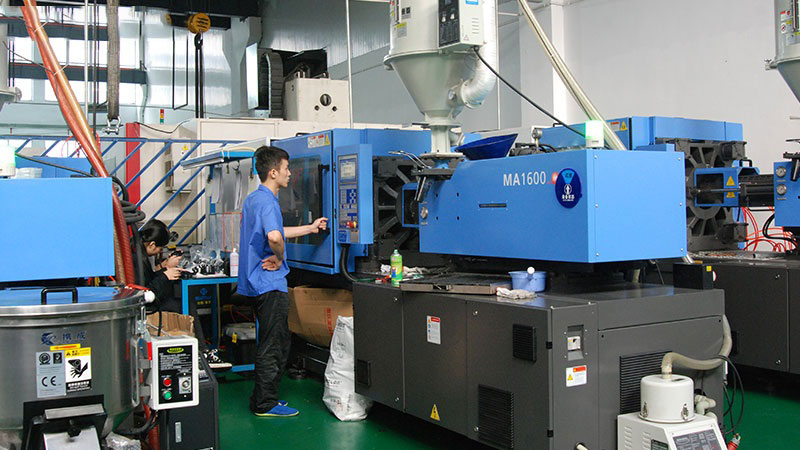
For overseas buyers, procuring high-quality molds from China represents a significant strategic advantage, offering unparalleled cost efficiency and manufacturing scale. However, navigating the vast landscape of suppliers to identify a truly reliable partner can be a daunting challenge. The success of your product launch and production timeline hinges on this critical decision. This guide for 2026 cuts through the noise, providing a professional, actionable framework for vetting and partnering with a top-tier China mold factory. We move beyond simple directory listings to solve the real problems faced in international procurement, from supplier verification to final quality assurance.
Mastering the Initial Supplier Verification Process
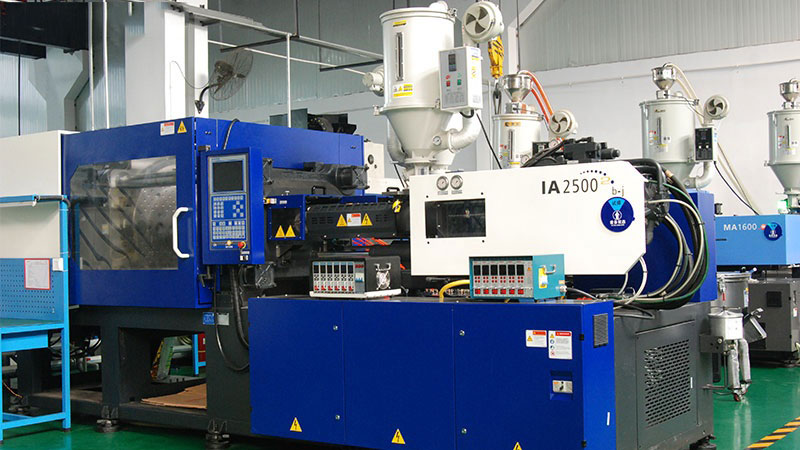
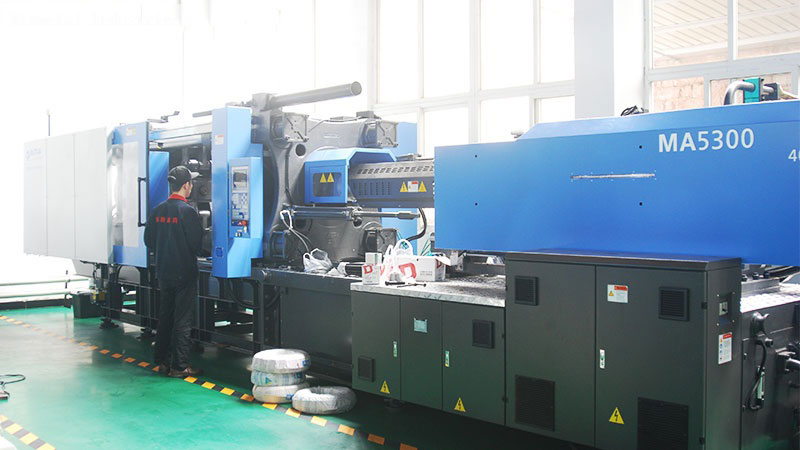
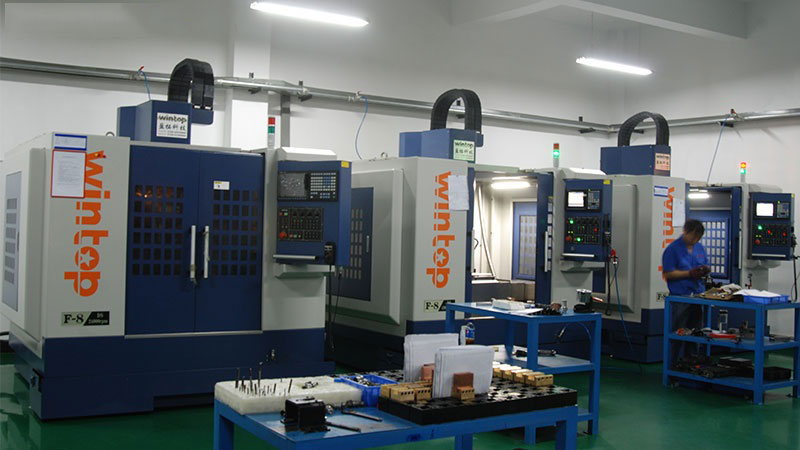
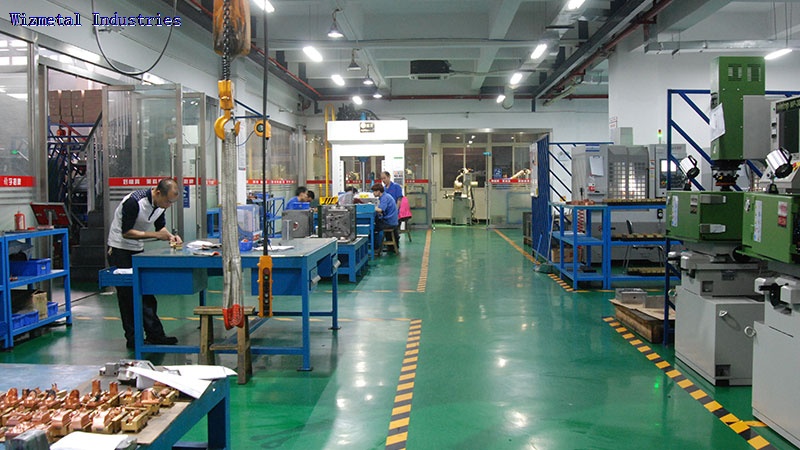
The first and most crucial step is rigorous supplier verification, which must go beyond a website and a quote. Begin with a deep-dive into the manufacturer’s specializations. A factory proficient in large automotive injection molds may not be the best fit for precision medical components. Scrutinize their project portfolio and request detailed case studies. Essential verification steps include a business license check, factory audit reports (ISO 9001 is a baseline), and verifying export experience. Utilize video calls to conduct virtual factory tours; a reputable supplier will readily showcase their shop floor, machinery (look for CNC, EDM, and CMMS equipment), and quality control stations. In 2026, transparency is non-negotiable. Furthermore, check for industry-specific certifications relevant to your target market, such as FDA compliance for medical or food-grade applications.
Strategic Communication and Technical Documentation
Clear, unambiguous communication is your strongest tool against costly errors. When requesting a quotation, provide a comprehensive technical data package. This should include 3D CAD models (STEP or IGS files), 2D drawings with critical dimensions and tolerances clearly defined, material specifications (including preferred steel grade like P20, H13, or S136), and expected production volume. Discuss mold lifecycle expectations upfront. A professional China mold factory will review your package and offer constructive feedback on manufacturability, potential design for manufacturing (DFM) improvements, and suggest alternatives that could reduce cost without compromising function. Establish a single point of contact for technical discussions and ensure they have proficient English-speaking engineers. Clarify all terms in a detailed purchase agreement covering IP protection, payment milestones, delivery terms (FOB, EXW, etc.), and a clear project timeline.
Implementing Proactive Quality Control Measures
Quality control cannot be an afterthought; it must be engineered into the process from day one. Mandate a First Article Inspection (FAI) report before mass production begins. This report should validate that the initial samples from the injection mold meet all dimensional, cosmetic, and functional requirements. Define your quality standards explicitly: specify surface finish requirements (SPI standards), critical part dimensions, and acceptable defect levels. For high-stakes projects, invest in third-party quality inspection services during key stages—such as after mold trial or pre-shipment. Many reliable manufacturers now offer live streaming of testing procedures. Also, confirm the factory’s internal measurement capabilities; a well-equipped mold factory will have precision tools like coordinate measuring machines (CMM) and optical comparators, and they should provide inspection data with the samples.
Navigating Logistics, IP, and Building Partnership
Finalizing the mold is only part of the journey. Discuss logistics planning early. Molds are heavy, high-value items; ensure proper crating and insurance are in place. Understand the incoterms and factor in import duties and customs clearance in your destination country. Intellectual Property (IP) protection remains a paramount concern. Work with a supplier who respects and signs comprehensive Non-Disclosure Agreements (NDA). Consider registering your design patents in China where possible. The most successful procurement relationships evolve into partnerships. View your chosen manufacturer as a long-term technical partner. A reliable partner will provide ongoing support for mold maintenance, repair, and potential future modifications. This collaborative approach ensures not just a successful initial purchase but a streamlined supply chain for years to come.
Conclusion
Importing molds from China in 2026 demands a blend of diligent verification, precise communication, and embedded quality control. By systematically applying the strategies outlined—from thorough supplier vetting and detailed technical exchange to proactive inspection and clear contractual agreements—overseas buyers can mitigate risks and unlock the immense value offered by Chinese manufacturing. The goal is to transform a complex procurement challenge into a competitive advantage. By partnering with a professional and transparent China mold factory, you secure more than just a tool; you establish a foundation for product quality, cost-effectiveness, and market success. Let this guide be your roadmap to a confident and successful partnership.
Work With Us
As a professional China mold manufacturer, we provide one-stop mold solution for overseas buyers.
📞 Phone: +86-18605944639
💬 WhatsApp: +8618605944639
🌐 Website: bestmoldworks.com
📧 Email: [email protected]