For overseas buyers, sourcing precision tooling from China represents a significant strategic advantage, offering a compelling blend of advanced technical capability, cost efficiency, and scalable production. However, navigating the vast landscape of suppliers to identify truly reliable partners can be a daunting task. The core challenge is not finding a manufacturer, but finding the *right* manufacturer—one that delivers consistent quality, maintains clear communication, and upholds professional standards. This guide is designed to cut through the noise, providing actionable, professional insights for 2026 to help you successfully identify and collaborate with top-tier mould manufacturers in China.
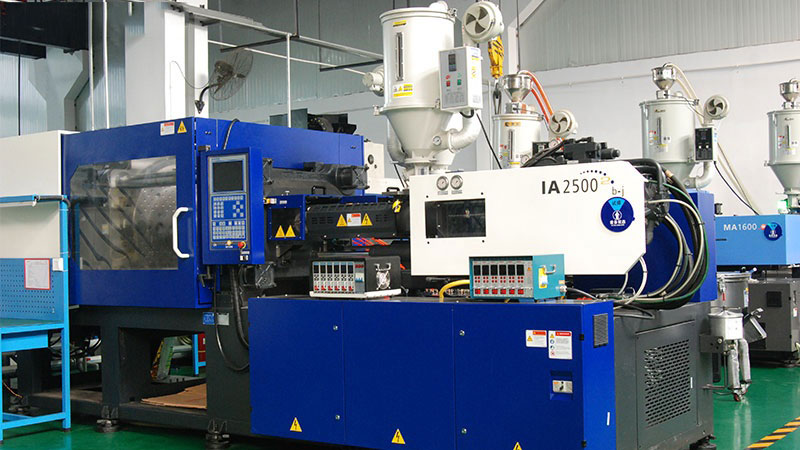
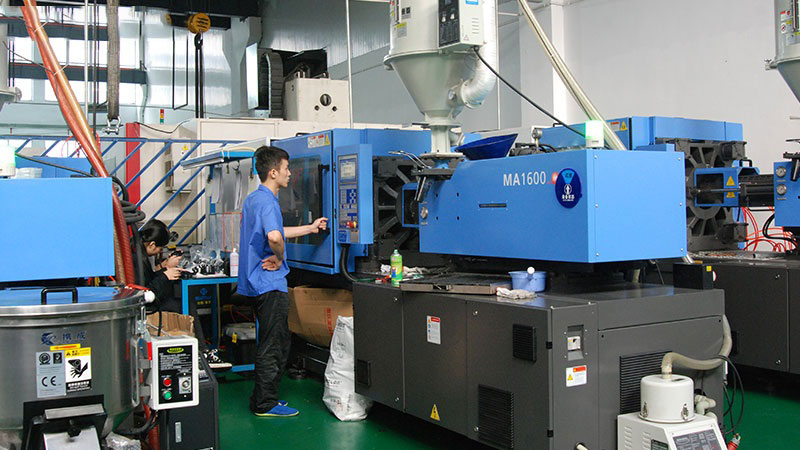
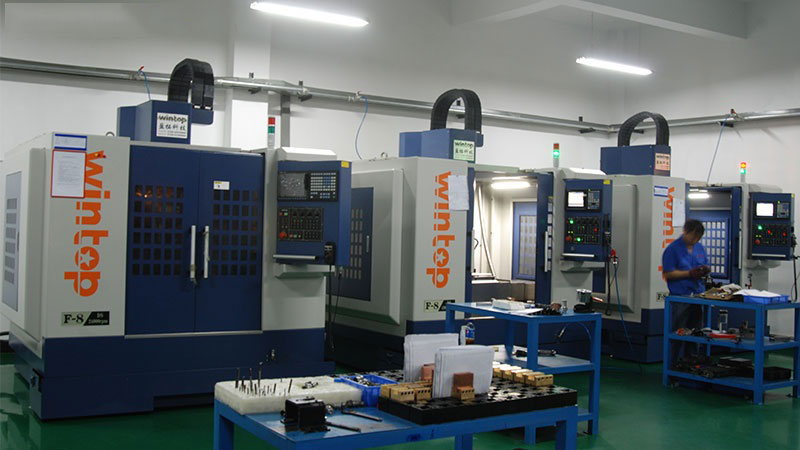
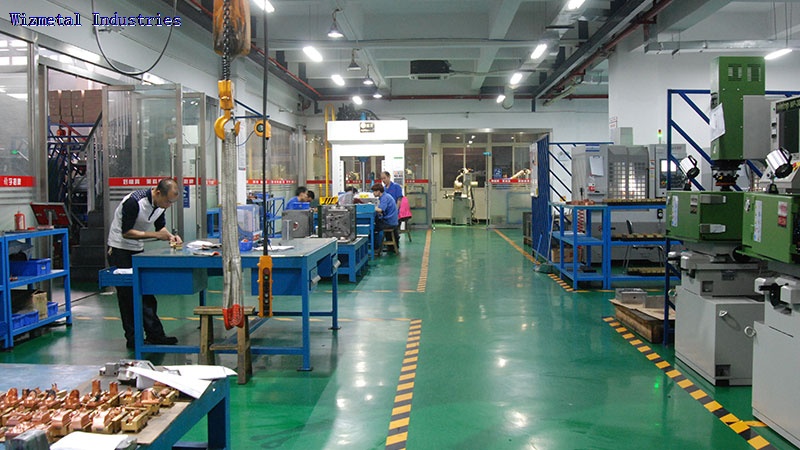
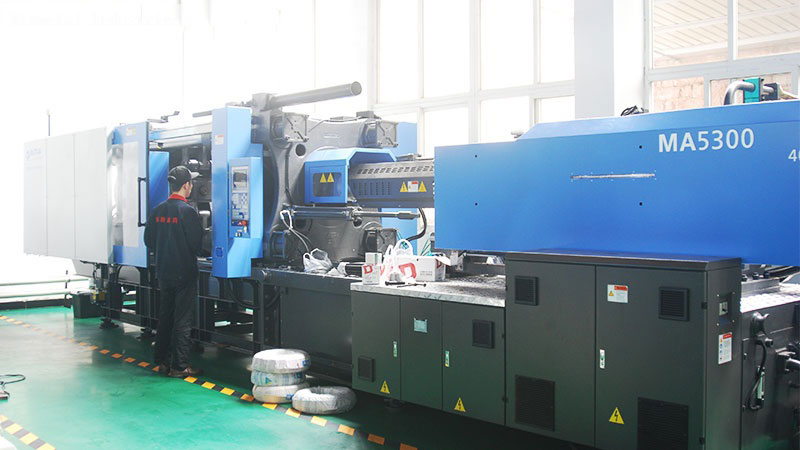
The foundation of a successful import project lies in rigorous supplier verification. Moving beyond a simple Google search or a B2B marketplace listing is non-negotiable. Begin by shortlisting potential China mold factory candidates based on their specific expertise, whether in automotive injection molds, high-precision medical components, or large-scale consumer goods. Scrutinize their online presence: a professional website with detailed case studies, technical specifications, and clear company information is a positive initial indicator. However, verification must go deeper. Request a business license (营业执照) and, for higher-value projects, consider a third-party verification report to confirm operational scale and legal standing. The most critical step is to conduct a virtual or, ideally, in-person factory audit. Assess their machinery (look for brands like DMG Mori, Sodick, or Haitian), their workshop organization (5S methodology is a good sign), and their engineering team’s capability. Direct conversations with their project managers will reveal much about their professionalism and communication style.
Once a qualified supplier is identified, mastering the quotation and procurement phase is essential to avoid costly misunderstandings. A precise Request for Quotation (RFQ) is your most important tool. This document must go beyond part drawings and include the mold specification: material (e.g., P20, H13, Stainless Steel), cavity count, expected lifecycle (number of shots), cooling system requirements, and surface finish (SPI standards). For injection mold projects, specify the intended production plastic resin, as this influences gate design and cooling. Be clear about deliverables: Are spare parts and a mold design report included? Is the mold base a standard LKM or HASCO type? Transparent Chinese manufacturers will provide a detailed cost breakdown. Be wary of quotes that seem abnormally low; this often signals the use of inferior materials or hidden costs that will surface later. During negotiations, focus on value—quality, communication, and warranty—rather than price alone. A well-structured contract outlining payment terms (e.g., 30-50% deposit, balance before shipment), intellectual property protection, delivery timeline, and acceptance criteria is imperative.
Proactive quality control, integrated from the very beginning of the process, is what separates successful imports from problematic ones. Do not treat QC as a final inspection step. Engage your chosen mould manufacturers in China in a collaborative Design for Manufacturability (DFM) review before any steel is cut. A reputable supplier will provide DFM feedback to optimize part design for molding, reducing future issues. Establish clear milestones for inspection. Key stages include the approval of 3D mold flow analysis, review of mold design drawings, first article inspection (FAI) after the mold is trialed, and dimensional reports of initial shot samples. For critical components, hiring a local third-party quality inspection firm to conduct an Initial Sample Inspection (ISI) or a During Production Inspection (DPI) at the China mold factory provides an unbiased assessment. This layered approach ensures that any deviation from specification is caught and corrected early, preventing expensive rework and project delays.
The final stages of the project—logistics, after-sales, and building a long-term partnership—require careful attention to detail. Discuss incoterms (FOB, EXW, CIF) explicitly with your supplier to clarify responsibilities for shipping, insurance, and customs clearance. Ensure the mold is properly prepared for export: it should be preserved with anti-rust treatment, securely packed in a wooden crate, and accompanied by a comprehensive set of documentation, including the final inspection report, material certificates, and assembly drawings. Reliable suppliers stand behind their work with a clear warranty, typically covering workmanship and material defects for 12-24 months or a specified number of shots. Establish a protocol for after-sales support, including the supply of spare components like wear parts. Viewing this procurement not as a one-time transaction but as the start of a strategic partnership can yield long-term benefits, including priority scheduling, continuous improvement on subsequent projects, and greater transparency in costing.
In conclusion, importing molds from China in 2026 remains a highly viable and advantageous strategy for global businesses. The path to success is built on a structured, diligent approach that prioritizes verification, clear communication, embedded quality control, and professional partnership management. By implementing the actionable steps outlined—from deep-dive supplier audits and precise RFQs to staged inspections and clear contractual terms—overseas buyers can significantly mitigate risk and unlock the full potential of China’s manufacturing excellence. The goal is to transform a complex international procurement process into a streamlined, reliable, and value-driven extension of your own production capability. By partnering with the right China mold factory, you secure not just a tool, but a competitive advantage for years to come.
Work With Us
As a professional China mold manufacturer, we provide one-stop mold solution for overseas buyers.
📞 Phone: +86-18605944639
💬 WhatsApp: +8618605944639
🌐 Website: bestmoldworks.com
📧 Email: [email protected]