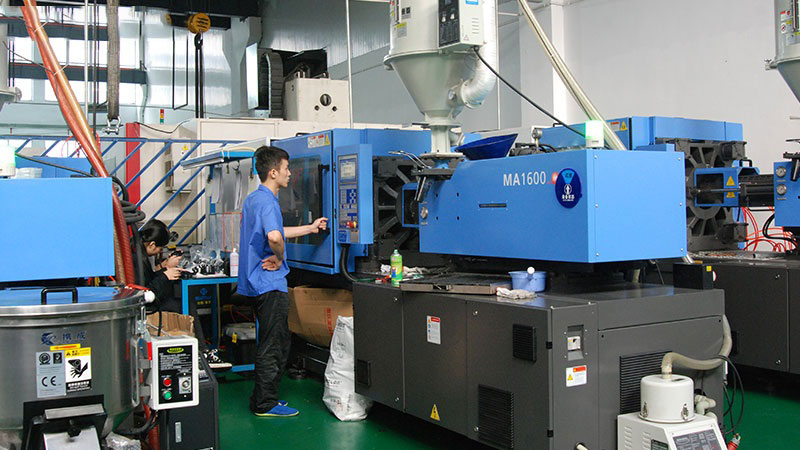
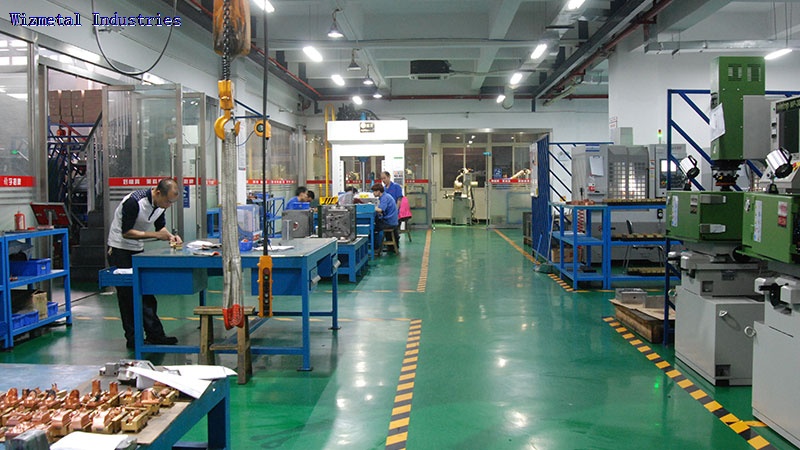
For overseas buyers, sourcing an injection mold from China represents a significant strategic advantage, offering a balance of advanced technical capability, cost efficiency, and scalable production. However, navigating the vast landscape of manufacturers to find a truly reliable partner can be daunting. This guide is designed to cut through the noise, providing a clear, actionable, and professional roadmap for your procurement journey in 2026. We will focus on solving the real problems you face: identifying competent partners, ensuring quality, and managing a smooth, transparent process from quotation to delivery.
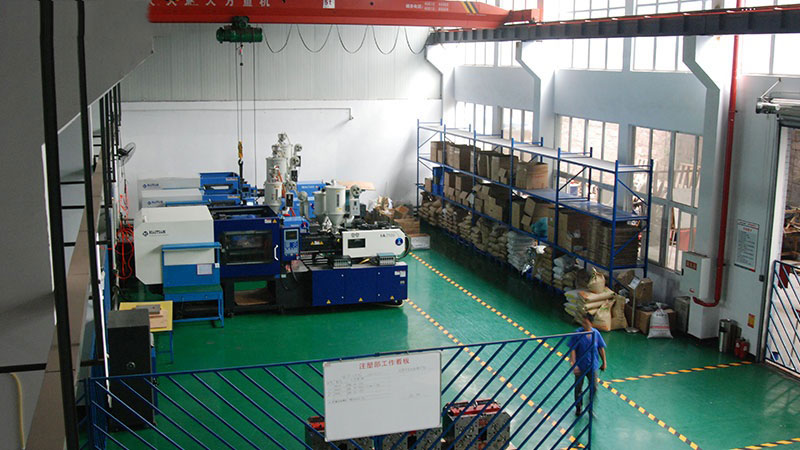
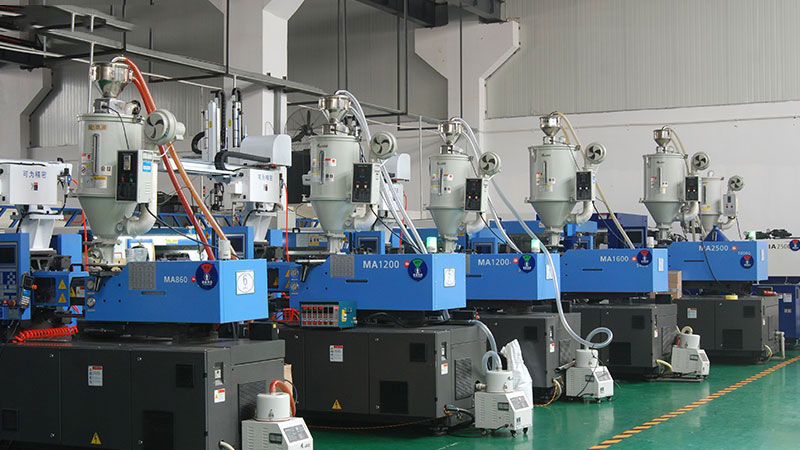
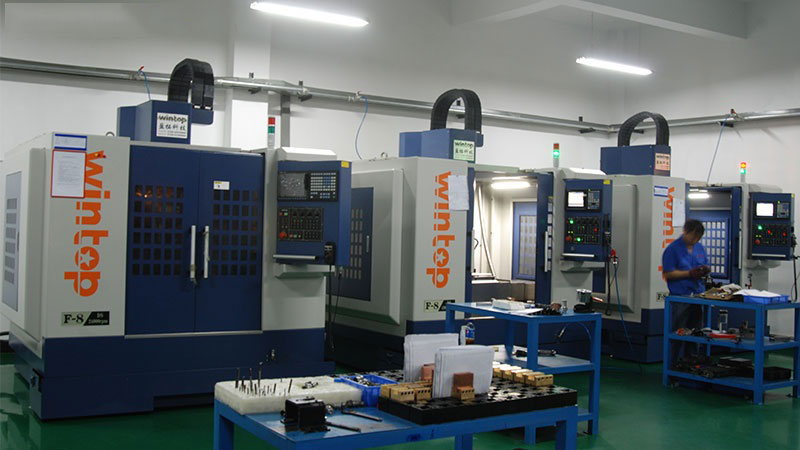
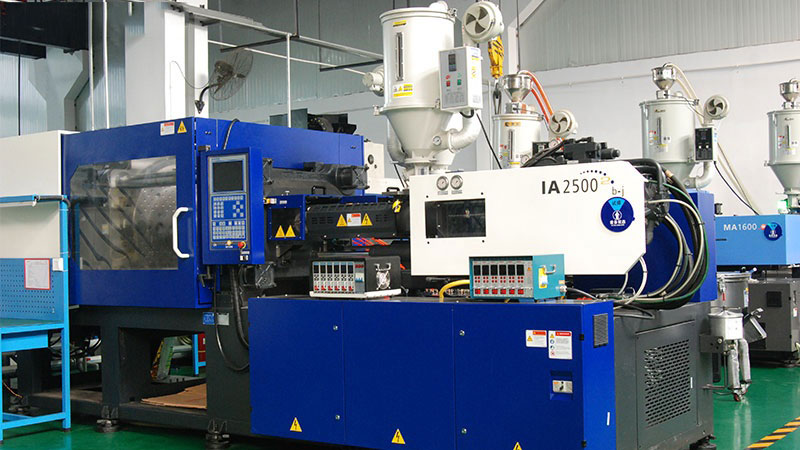
The foundation of a successful import project lies in meticulous supplier verification. Moving beyond basic website checks and Alibaba profiles is non-negotiable in the current market. Start by shortlisting potential suppliers that explicitly showcase expertise in your industry, whether it’s automotive components, medical devices, consumer electronics, or precision gears. A professional China mold factory should readily provide detailed case studies. The critical step is to initiate a technical dialogue early; present a preliminary 3D model or drawings and request a Design for Manufacturability (DFM) analysis. Their response will reveal their engineering depth, proactive problem-solving approach, and willingness to collaborate. Always verify business licenses and, for higher-value molds, insist on a video audit of their facility. This allows you to assess their machinery, such as the generation of CNC, EDM, and CMM inspection equipment, and their workshop organization firsthand. This phase is about moving from a vendor list to a shortlist of qualified potential partners.
Once a potential partner is identified, mastering the quotation and technical clarification stage is vital to avoid costly misunderstandings. A comprehensive quotation from an injection mold factory should be transparently itemized, covering mold base material, cavity and core steel grade, surface finish, expected cycle life, number of cavities, hot runner system brand, and all ancillary costs like taxes and shipping. In 2026, sustainability is also a growing factor; inquire about material traceability and energy-efficient manufacturing practices. Crucially, align on all technical specifications before order placement. This includes finalizing the mold flow analysis report, which predicts filling patterns and potential defects, and agreeing on a detailed quality control plan. Define the inspection equipment to be used, the points of inspection, and the format for sharing reports. Clear agreement here sets a professional standard and ensures both parties have identical expectations for the final product.
Effective quality control cannot be an afterthought; it must be integrated into the procurement process from the start. For overseas buyers, a structured QC protocol is your primary risk mitigation tool. Stipulate stage inspections: a first article inspection after the mold base machining, a critical dimension check after the cavity and core are finished, and a final sample approval using parts produced from the T1 trial. Partnering with a reputable third-party inspection service in China for the final pre-shipment audit is a highly recommended investment. They can verify dimensions, material composition, surface texture, and part functionality against your approved samples and drawings. Furthermore, insist on proper mold documentation. A professional supplier will deliver not just the physical mold but also a complete mold data package, including 2D drawings, 3D files, maintenance instructions, and a certificate of conformity. This documentation is essential for future maintenance, repairs, or duplicating the mold, securing your long-term investment.
The final phase encompasses logistics, payment, and building a relationship for future business. Opt for secure and traceable international shipping methods, and ensure the mold is crated robustly for ocean freight. Consider mold insurance for high-value tools. Regarding payment terms, while a large upfront deposit is common, negotiate a balanced schedule tied to milestones, such as 30% with order, 40% after T1 sample approval, and 30% before shipment. This aligns incentives and provides leverage. Upon receiving the mold, conduct a thorough incoming inspection at your facility. A reliable China mold factory will support a warranty period, typically covering workmanship and material defects for a set number of shots or a time frame. View this procurement not as a one-time transaction but as the beginning of a partnership. A trustworthy supplier becomes an extension of your engineering team, invaluable for future projects, design iterations, and maintenance support.
Successfully importing an injection mold from China in 2026 demands a blend of diligent verification, clear technical communication, and robust quality governance. By treating the selection process as a technical partnership evaluation rather than a simple price comparison, you significantly de-risk your project. The goal is to move beyond finding just a manufacturer to identifying a collaborative injection mold factory that is invested in your product’s success. With this structured approach, you can leverage China’s manufacturing excellence to gain a competitive edge, ensuring you receive a high-quality tool that delivers precision, durability, and optimal performance for your production needs.
Work With Us
As a professional China mold manufacturer, we provide one-stop mold solution for overseas buyers.
📞 Phone: +86-18605944639
💬 WhatsApp: +8618605944639
🌐 Website: bestmoldworks.com
📧 Email: [email protected]