Blog

  • injection mold manufacturer china: Professional Buying 2026

    For global businesses, sourcing from an injection mold manufacturer in China remains a cornerstone strategy for achieving competitive advantage. However, the landscape is evolving. The era of simply finding the cheapest quote online is over. Professional buying in 2026 demands a strategic, meticulous, and technology-augmented approach to unlock true value—exceptional quality, innovation, and a reliable partnership. This guide cuts through the noise to provide actionable strategies for overseas buyers navigating this critical procurement journey.

    The core challenge is no longer about finding a manufacturer, but about identifying the right partner among thousands. The risks of poor communication, hidden costs, and substandard tooling are real, but they are entirely manageable with a disciplined process. Success hinges on moving beyond price as the primary driver and focusing on total cost of ownership, which includes mold longevity, part quality consistency, and the supplier’s engineering capability. This shift in mindset is what defines professional procurement for the coming year.

    **Strategic Supplier Verification: Due Diligence is Non-Negotiable**

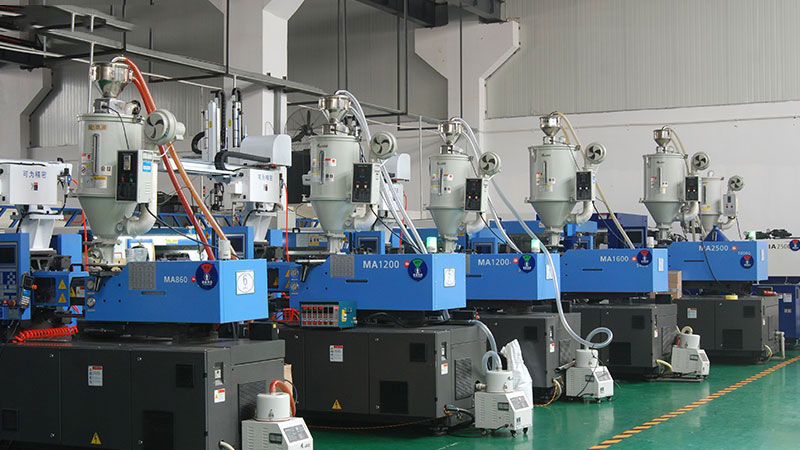
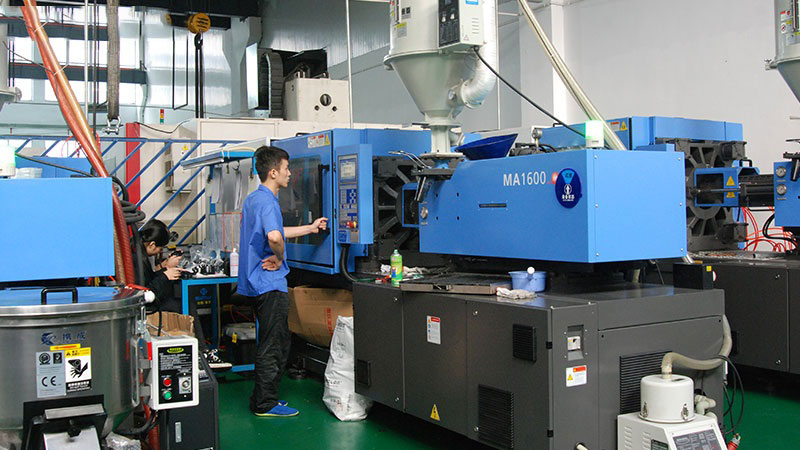
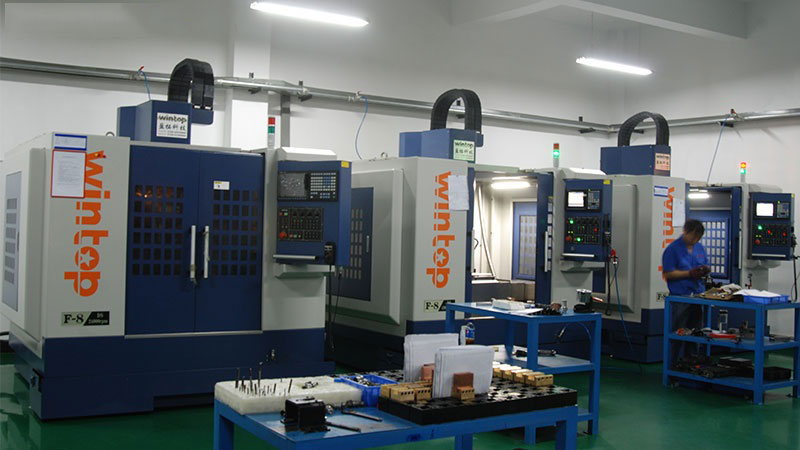
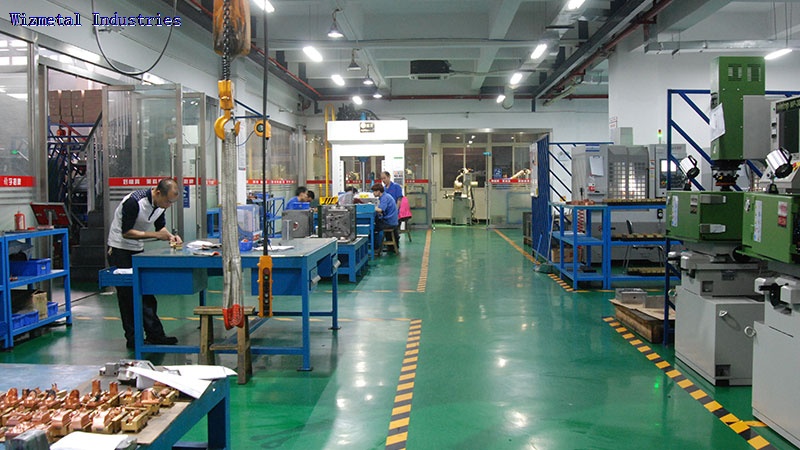
    Your first and most critical step is rigorous supplier verification. A professional buyer in 2026 must treat this phase with the seriousness of a financial audit. Begin by scrutinizing the China mold factory’s digital footprint. A professional website with detailed case studies, technical blogs, and clear process explanations is a positive indicator. However, digital presence alone is insufficient. You must verify business licenses (via platforms like Tianyancha) and insist on a virtual or, ideally, an in-person factory audit. Key audit points should include the condition and age of their CNC, EDM, and CMM machines, their mold trial area with injection molding machines compatible with your material, and their in-house quality control lab. Demand to speak directly with their project managers and lead engineers to assess their technical fluency and problem-solving approach. This upfront investment in verification prevents catastrophic failures later.

    **The RFQ as a Technical Collaboration Document**

    The Request for Quotation (RFQ) package you send will directly determine the quality and comparability of the proposals you receive. A professional RFQ in 2026 is a comprehensive technical dossier, not just a 3D model. It must include: fully detailed part drawings with GD&T (Geometric Dimensioning and Tolerancing), specified material grades and desired surface finishes (SPI standards), expected annual volumes and part lifecycle, and a clear mold specification covering steel type (e.g., P20, H13, S136), hot runner system preferences, cooling requirements, and expected mold life (number of shots). By providing this level of detail, you filter out suppliers who compete solely on price and attract serious engineering partners. It enables the injection mold manufacturer to provide a meaningful quote that includes all aspects of design, steel, standard components, and trials, minimizing the risk of costly change orders.

    **Implementing a Phased Quality Control Gate System**

    Quality cannot be inspected into a mold; it must be built into every stage. Implementing a staged payment plan linked to Quality Control gates is a best-practice procurement strategy. Structure your payments and approvals across key milestones: 1) Design Review (30% payment): Approve the DFM report and 2D/3D mold drawings. 2) Steel Inspection (30% payment): Receive and approve material certificates for core and cavity steel. 3) First Article Inspection (30% payment): Upon mold trial, receive comprehensive sample data, including CMM reports, color maps, and shot samples. 4) Final Approval (10% balance): After all adjustments are made and pre-shipment inspection is passed. This process keeps the project on track, ensures transparency, and gives you control at every critical juncture. It aligns the interests of both parties toward delivering a flawless tool.

    **Leveraging Digital Tools for Communication and Project Management**

    The physical distance in international procurement is bridged by digital proximity. In 2026, professional buyers must insist on using modern collaboration tools. Utilize cloud-based platforms for sharing and marking up drawings (e.g., Autodesk Viewer), project management software (e.g., Asana, Trello, or the supplier’s own system) for tracking tasks, and regular scheduled video conferences using screen sharing for design reviews. Demand clear, documented communication—all technical agreements and changes must be confirmed via email. Furthermore, discuss their data security protocols for protecting your IP. A supplier comfortable with structured, transparent digital communication is typically more organized and reliable, reducing misunderstandings and delays.

    **Building a Partnership, Not Just a Transaction**

    The most successful procurement outcomes in China are built on long-term partnerships. View your chosen injection mold manufacturer china as an extension of your engineering team. After successful completion of the first project, invest in the relationship. Provide constructive feedback, discuss future projects, and explore areas for joint improvement, such as value engineering on future molds or standardization of components. A trusted partner will proactively inform you of material market changes, new technologies like conformal cooling, or logistical challenges. This collaborative approach transforms your supplier from a vendor into a strategic asset, ensuring priority service, greater flexibility, and continuous improvement in quality and efficiency for years to come.

    Conclusion

    Professional buying from an injection mold manufacturer in China for 2026 is a deliberate and informed process. It transitions from a cost-centric purchasing activity to a value-driven engineering partnership. By mastering supplier verification, crafting detailed RFQs, enforcing staged quality controls, utilizing digital collaboration, and fostering long-term relationships, overseas buyers can mitigate risks and consistently secure high-performance molds. The goal is no longer just to import a tool, but to build a reliable, high-quality supply chain pillar that drives your product’s success in the global marketplace. Embrace this strategic approach, and your procurement process will become a significant competitive edge.

    Work With Us

    As a professional China mold manufacturer, we provide one-stop mold solution for overseas buyers.
    📞 Phone: +86-18605944639
    💬 WhatsApp: +8618605944639
    🌐 Website: bestmoldworks.com
    📧 Email: [email protected]
  • Custom silicone molds for resin: Complete Procurement 2026

    For artisans, small businesses, and established manufacturers worldwide, the demand for unique, high-quality resin products continues to surge. At the heart of this creativity lies a critical tool: the custom silicone mold. Sourcing these molds directly from China offers unparalleled advantages in cost, customization, and scalability. However, navigating the international procurement landscape requires updated knowledge and strategic planning. This complete procurement guide for 2026 is designed to provide overseas buyers with a professional, actionable roadmap to successfully import premium **custom silicone molds for resin** from reliable partners in China, mitigating risks and ensuring a smooth supply chain.

    The foundation of a successful import journey is thorough supplier verification. The term “China mold factory” encompasses a vast spectrum, from highly automated facilities to small workshops. In 2026, due diligence goes beyond checking an Alibaba storefront. Start by verifying business licenses via official Chinese platforms and insist on video facility tours. A reputable factory specializing in silicone tooling will readily showcase their clean room environment, vacuum degassing equipment, and mixing areas. Scrutinize their portfolio for projects similar to your needs, particularly focusing on mold seam lines, surface finish, and undercut complexity. Engage in technical discussions early; ask about their standard silicone types (like platinum-cure vs. tin-cure for resin compatibility), shore hardness options, and expected mold life. Require physical samples before any bulk order. A trustworthy partner will be transparent and communicative, viewing this process as a collaboration rather than a simple transaction.

    Once a potential partner is identified, mastering the prototyping and design for manufacturability (DFM) phase is crucial. Effective communication of your design intent is paramount. Provide professional 3D files (STP/IGS) rather than just sketches or photos. A competent **China mold factory** will perform a DFM analysis, offering suggestions to improve mold durability and part release. For resin casting, this includes advising on optimal draft angles, avoiding overly thin mold sections, and positioning injection or pour gates to minimize air bubbles. Discuss and agree upon the prototype mold—often a simpler, single-cavity version—to test the design, silicone quality, and final resin output before committing to a multi-cavity production mold. This step, though incurring an initial cost, is non-negotiable for quality control and prevents costly mass-production errors. Clear documentation of all specifications, revisions, and approvals is essential.

    A professional procurement strategy extends beyond unit price. In 2026, savvy buyers structure contracts that protect their interests and ensure long-term supply stability. Key elements include detailed payment terms (e.g., 30-50% deposit, balance after sample approval), a clear production timeline with milestones, and unequivocal ownership clauses for your 3D design and mold tooling. Given global logistics volatility, explicitly define shipping terms (Incoterms 2020), responsibilities, and expected lead times for sea or air freight. Incorporate quality control protocols directly into the agreement. Stipulate that pre-shipment inspections are mandatory, with criteria based on agreed-upon samples. For larger orders, consider engaging a third-party inspection service in China to conduct checks on-site before shipment. This formalized approach transforms a purchase into a managed project, aligning expectations and providing recourse.

    Implementing rigorous quality control (QC) is the final, critical barrier before your molds leave the factory. Do not rely solely on the supplier’s final check. Establish a QC checklist that includes dimensional accuracy against the CAD model, visual inspection for bubbles or imperfections in the silicone, functionality tests for alignment pins and mother molds, and a cast test using your specific resin to check for proper curing and easy demolding. Request high-resolution photos and videos of this process. For the production of **custom silicone molds for resin**, consistency across multiple units is key. If ordering several copies of the same mold, inspect a statistical sample. Address any deviations immediately and in writing. This proactive stance on quality control not only secures a better product but also reinforces your seriousness as a buyer, encouraging the supplier to maintain high standards throughout your business relationship.

    Successfully importing custom silicone molds from China in 2026 is a systematic process that balances opportunity with diligent risk management. It begins with meticulous supplier verification, proceeds through collaborative design and prototyping, is solidified by a professional procurement contract, and is guaranteed by unwavering quality control. By understanding these steps and partnering with a specialized injection mold and silicone tooling supplier that values transparency, overseas buyers can secure a competitive advantage. The result is access to high-quality, cost-effective custom molds that empower innovation and business growth in the dynamic resin art and manufacturing markets. With this complete procurement blueprint, you are equipped to build a reliable supply chain that delivers not just tools, but the foundation for your creative and commercial success.

    Work With Us

    As a professional China mold manufacturer, we provide one-stop mold solution for overseas buyers.
    📞 Phone: +86-18605944639
    💬 WhatsApp: +8618605944639
    🌐 Website: bestmoldworks.com
    📧 Email: [email protected]
  • how to make custom molding: Expert Tips & Solutions 2026

    For overseas buyers, the process of how to make custom molding can seem daunting, especially when navigating international supply chains. China remains the global epicenter for mold manufacturing, offering unparalleled expertise, advanced technology, and competitive costs. However, a successful procurement journey requires more than just finding a low price. It demands a strategic approach to supplier verification, communication, and quality control. This guide provides expert tips and forward-looking solutions for 2026, designed to help you secure high-quality custom molds from China with confidence and efficiency.

    Mastering the Initial Specification and RFQ Process

    The foundation of a successful custom molding project is clarity. Ambiguity in your initial specifications is the primary cause of delays, cost overruns, and unsatisfactory results. Before contacting any China mold factory, invest time in creating a comprehensive Request for Quotation (RFQ) package. This should include detailed 3D CAD files (STEP or IGS format), 2D drawings with critical dimensions and tolerances clearly marked, and material specifications for both the mold and the final plastic part. Additionally, outline your expected production volume, cycle time targets, and any specific surface finish requirements. Providing this level of detail not only ensures you receive accurate and comparable quotes but also demonstrates your professionalism, which attracts serious and capable suppliers. It is the first critical step in how to make custom molding a predictable process.

    Conducting Rigorous Supplier Verification and Selection

    Not all mold factories are created equal. In 2026, due diligence goes beyond checking a website. Start by verifying business licenses and export credentials. Seek out suppliers with proven experience in your industry or with similar part complexities. The most valuable step is to conduct a virtual or, ideally, an in-person factory audit. During an audit, focus on their equipment: are CNC, EDM, and precision grinding machines modern and well-maintained? Assess their engineering team’s capability to offer Design for Manufacturability (DFM) feedback—a sign of a partner, not just a vendor. Crucially, request and contact references from their existing overseas clients. A reliable China mold factory will be transparent and proud of its client relationships. This phase of procurement is where you filter out subpar options and identify true manufacturing partners.

    Navigating Design for Manufacturability and Prototyping

    Once you select a partner, collaborative engineering begins. A reputable supplier will provide a formal DFM report. This document is gold—it highlights potential issues in your design that could affect moldability, cost, or part strength. It may suggest adjustments to wall thickness, draft angles, or gate locations to optimize the injection mold for performance and longevity. Embrace this feedback; it leverages their hands-on experience to improve your product. Following design finalization, insist on a prototyping phase. While 3D-printed prototypes are useful for form and fit, a first article inspection from a soft or pre-production mold made of aluminum or softer steel provides a true test of the mold design and the resulting part’s function. This step, though an initial investment, is a non-negotiable risk mitigation strategy that prevents costly mass-production errors.

    Implementing a Robust Quality Control Framework

    Proactive quality control is what separates successful importers from those facing container loads of defective parts. Do not assume quality; contract for it. Define all critical-to-quality dimensions and inspection methods upfront in your purchase order. Require a full First Article Inspection Report with CMM data before mass production begins. For ongoing production, establish a schedule for In-Process Quality Checks and a Pre-Shipment Inspection. For high-volume or critical applications, consider engaging a trusted third-party quality inspection agency within China to act as your eyes on the ground. Furthermore, discuss the supplier’s own quality management processes—do they use statistical process control? How do they handle non-conforming parts? A clear, agreed-upon quality control protocol protects your investment and ensures the injection mold produces parts to your exact specifications, shipment after shipment.

    Managing Logistics, IP Protection, and Long-Term Partnership

    The final stages involve securing your intellectual property and ensuring smooth delivery. A well-drafted Non-Disclosure Agreement and a contract that clearly states ownership of all mold designs and tooling are essential. Discuss mold storage and maintenance if you plan for future production runs. On the logistics front, understand your Incoterms thoroughly—FOB Shanghai is common, giving you control over shipping and insurance once the mold leaves the factory. Factor in lead times for sea freight and customs clearance in your home country. Finally, view this not as a one-off transaction but as the start of a long-term partnership. A reliable China mold factory is an asset for future projects, offering consistency and improved efficiency over time. Building a relationship based on clear communication, mutual respect, and documented processes is the ultimate solution for sustainable success.

    Conclusion

    Successfully navigating how to make custom molding in China is a systematic process that balances technical diligence with relationship management. By defining your requirements with precision, conducting thorough supplier verification, collaborating on DFM, enforcing stringent quality control, and protecting your intellectual property, you transform a complex international procurement into a streamlined and reliable operation. As we move into 2026, these expert tips and solutions empower you to leverage China’s manufacturing prowess while minimizing risks. The goal is not merely to import a mold, but to establish a productive, long-term supply chain that delivers quality, value, and innovation for your business for years to come.

    Work With Us

    As a professional China mold manufacturer, we provide one-stop mold solution for overseas buyers.
    📞 Phone: +86-18605944639
    💬 WhatsApp: +8618605944639
    🌐 Website: bestmoldworks.com
    📧 Email: [email protected]
  • custom plastic molding parts manufacturers: Complete Pr 2026

    For global businesses, sourcing custom plastic components from China remains a cornerstone strategy for achieving cost efficiency, scalability, and rapid product development. However, the landscape of engaging with custom plastic molding parts manufacturers is evolving rapidly. As we look toward 2026, success hinges on a more sophisticated, digitally-integrated, and quality-focused approach. This guide cuts through the noise to provide overseas buyers with a practical, actionable framework for navigating the Chinese manufacturing ecosystem, ensuring your next project is not just cost-effective but also secure, high-quality, and future-proof.

    Mastering Digital Supplier Discovery and Verification

    The initial search for a China mold factory has moved far beyond simple B2B directory listings. In 2026, a multi-platform verification strategy is non-negotiable. Begin with in-depth research on industry-specific platforms, but complement this with a deep dive into a supplier’s digital footprint. Scrutinize their professional social media activity, look for detailed case studies on their website, and use satellite mapping to verify the scale and location of their facilities. The most reliable custom plastic molding parts manufacturers now invest heavily in transparent digital showcases, including virtual factory tours and video demonstrations of their injection mold and production processes. Prior to any commitment, insist on a live video conference to meet the engineering and project management team face-to-virtual-face. This step filters out trading companies masquerading as manufacturers and establishes direct communication from the outset.

    The Technical Dialogue: From RFQ to Design for Manufacturability

    A precise Request for Quotation (RFQ) is your first critical technical document. Beyond part drawings, include targeted questions about their standard processes for injection mold design, material recommendations for your application, and their approach to Design for Manufacturability (DFM). A competent manufacturer will not simply quote on your provided design but will proactively offer DFM analysis to suggest modifications that enhance durability, reduce cost, and speed up production. Discuss their capabilities in detail: can they handle complex geometries, multi-material molding, or insert molding? Clarify their tooling philosophy—do they use standardized mold bases or custom designs? This technical dialogue separates true engineering partners from basic job shops. It ensures both parties have a unified understanding of the project’s complexity, cost drivers, and technical feasibility before tooling begins.

    Structured Quality Control Integration from Tooling to Mass Production

    Quality cannot be inspected into a part; it must be built into the process. For 2026, define a structured quality control protocol that is contractually agreed upon before the first piece of steel is cut. The process should be phased. First, during mold manufacturing, require First Article Inspection (FAI) reports and dimensional validation using 3D scans (like CMM reports) from the initial shots. Second, for pre-production batches, establish a clear Approved Sample procedure with signed-off physical samples. Finally, for mass production, define the frequency and methodology of in-process and final random inspections. Will you use a third-party quality service for initial shipments, or does the supplier provide real-time inspection data? Discuss their internal quality certifications and how they control variables like pressure, temperature, and cycle time during the injection mold process. A transparent China mold factory will welcome this structured approach as it minimizes disputes and ensures consistency.

    Navigating Logistics, IP Protection, and the Total Cost of Ownership

    The lowest unit price can be misleading. Savvy procurement in 2026 focuses on Total Cost of Ownership (TCO). This includes tooling investment, shipping, tariffs, potential rework costs, and inventory holding. Be explicit about Intellectual Property (IP) protection. A robust Non-Disclosure Agreement (NDA) and a clear tool ownership clause in your contract are essential. Discuss logistics integration: does the supplier have experience with your preferred freight forwarder? Can they handle proper packaging, palletization, and documentation for smooth customs clearance in your country? Consider the strategic value of regionalizing your supply chain; some buyers now use a primary manufacturer in China for cost and scale, paired with a local or nearshore partner for rapid turnaround on spare parts or small batches. This hybrid model mitigates risk and enhances supply chain resilience.

    Building a Partnership for Long-Term Resilience

    The most successful import relationships in 2026 will be framed as strategic partnerships, not transactional purchases. After successfully completing initial orders, work with your supplier on continuous improvement. Share your product roadmap and forecast data to help them plan capacity. Consider periodic joint business reviews to discuss performance metrics, cost-saving ideas, and process enhancements. This collaborative approach incentivizes your chosen custom plastic molding parts manufacturers to prioritize your projects, offer better terms, and provide early warnings on material price fluctuations or logistical challenges. In an era of supply chain volatility, a trusted manufacturing partner in China is a significant competitive asset.

    Conclusion

    Importing molds and plastic parts from China in 2026 demands a blend of technological savvy, rigorous process control, and strategic relationship management. By implementing a disciplined approach to digital supplier verification, engaging in deep technical collaboration, enforcing structured quality control, analyzing total costs, and fostering partnership, overseas buyers can significantly de-risk their procurement process. The goal is no longer just to find a supplier, but to integrate a capable and reliable China mold factory into your extended enterprise, driving innovation, efficiency, and growth for years to come.

    Work With Us

    As a professional China mold manufacturer, we provide one-stop mold solution for overseas buyers.
    📞 Phone: +86-18605944639
    💬 WhatsApp: +8618605944639
    🌐 Website: bestmoldworks.com
    📧 Email: [email protected]
  • tyre mould manufacturers in china: Expert Tips & Soluti 2026

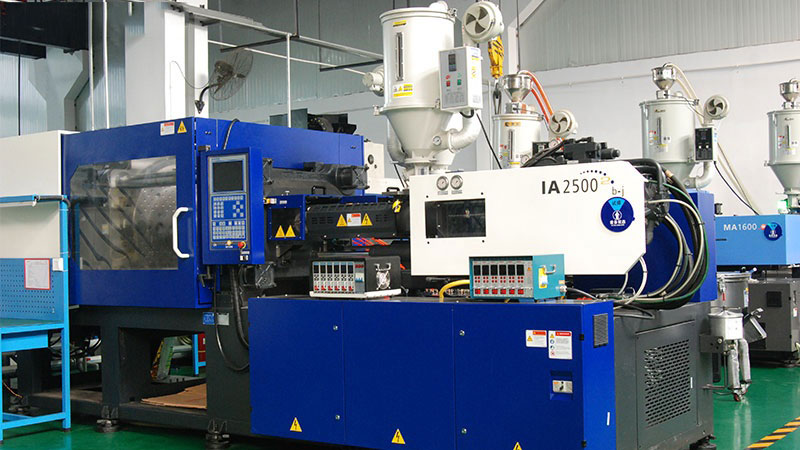
    For global tire producers and industry buyers, sourcing high-precision tyre moulds is a critical strategic decision that directly impacts product quality, manufacturing efficiency, and brand reputation. China has solidified its position as a global hub for mould manufacturing, offering a vast landscape of potential partners. However, navigating this market to identify truly reliable and technically proficient tyre mould manufacturers in China requires a structured, informed approach. This guide provides actionable, professional insights for overseas procurement teams to streamline their process, mitigate risks, and secure a successful partnership in 2026 and beyond.

    The initial phase of supplier identification is where diligence pays the highest dividends. Moving beyond simple online directories is crucial. Begin by verifying business licenses and export credentials through official Chinese platforms. A professional China mold factory specializing in tyre moulds will have a portfolio showcasing complex tread patterns, sidewall engraving, and segment mould designs. Request detailed case studies, specifically for moulds compatible with your target tire size and type. Furthermore, assess their engineering capability by inquiring about their software proficiency, such as experience with advanced 3D modeling and simulation for vulcanization processes. A true specialist will discuss technical aspects like venting, cooling channels, and material selection for mould bases without hesitation. This stage is not about finding the lowest price but about shortlisting partners with proven technical competence in injection mold and machining technologies tailored for the tire industry.

    Once a shortlist is established, a rigorous supplier verification process must be conducted. A virtual factory audit is now a non-negotiable step. Request a live video tour of their production floor. Pay close attention to the machinery; modern CNC machining centers, EDM equipment, and high-precision engraving machines are indicators of a commitment to quality. Observe the workshop environment and gauge their quality control infrastructure on-site. Ask for documentation of their quality management system and insist on speaking directly with their project managers and lead engineers. Discuss their standard workflow from design review to final inspection. Clarify communication protocols: who will be your single point of contact, what reporting intervals will be maintained, and what language support is available. This proactive verification helps filter out trading companies or under-equipped workshops, ensuring you engage with a manufacturer that possesses both the hardware and procedural rigor for international projects.

    A clear and detailed technical agreement is your primary tool for preventing misunderstandings. The quotation and project specification document must be exhaustive. Beyond dimensions and tread pattern, it should specify the mould base material grade, the hardness of functional components, surface treatment requirements, and the standard for finish and polishing. Define all critical tolerances, the testing methodology for fit and function, and the requirements for trial production. Explicitly outline the approval process for design drawings and the protocol for any engineering change requests. Payment terms should be linked to clear milestones, such as approval of 3D data, completion of machining, and successful factory acceptance testing. This contract becomes the objective benchmark for all subsequent quality control activities, ensuring both parties share identical expectations for the final product.

    Implementing a multi-stage quality control strategy is essential to catch issues early, when they are least costly to correct. Do not rely solely on a final pre-shipment inspection. Insist on milestone inspections conducted by your own qualified agent or a third-party inspection service. Key checkpoints include a raw material review, a first-article inspection after critical machining operations, and a comprehensive pre-shipment audit where the mould is assembled and measured against the agreed specifications. For tyre moulds, this final audit should include a trial assembly to check segment alignment and closure. Document every step with high-resolution photos and videos. This layered approach to quality control transforms procurement from a blind leap of faith into a managed, transparent process, providing continuous assurance and protecting your investment.

    Finally, view the partnership with your selected Chinese manufacturer as a strategic collaboration. The most successful import relationships are built on clear communication and mutual respect. Invest time in building a professional rapport with your supplier. Be precise and consistent in your requirements, provide timely feedback, and respect agreed-upon procedures. A reliable partner will appreciate this professionalism and will be more invested in your long-term success. Discuss their capacity for ongoing maintenance, repair, and potential future modifications. A manufacturer interested in a lasting relationship will demonstrate flexibility and a problem-solving attitude, which is invaluable for the dynamic needs of tire production.

    In conclusion, successfully importing tyre moulds from China in 2026 demands a shift from a simple price-focused purchasing mindset to a comprehensive technical partnership strategy. By meticulously verifying potential tyre mould manufacturers in China, enforcing rigorous technical agreements, and implementing staged quality control, overseas buyers can access world-class manufacturing capabilities with confidence. The competitive edge lies not just in cost savings but in securing a reliable, skilled, and communicative partner capable of delivering precision, consistency, and innovation for years to come.

    Work With Us

    As a professional China mold manufacturer, we provide one-stop mold solution for overseas buyers.
    📞 Phone: +86-18605944639
    💬 WhatsApp: +8618605944639
    🌐 Website: bestmoldworks.com
    📧 Email: [email protected]
  • how to make custom plastic molds: Best Suppliers & Qua 2026

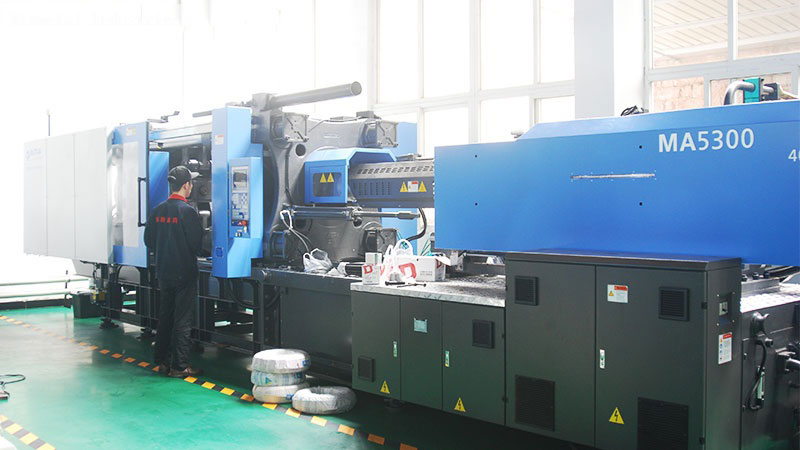
    For overseas buyers, the prospect of importing custom plastic molds from China presents a compelling value proposition: access to advanced manufacturing capabilities at competitive costs. However, the journey from concept to a perfect, production-ready mold is fraught with potential pitfalls. Success hinges not just on finding a supplier, but on mastering a disciplined process of specification, verification, and control. This guide for 2026 cuts through the noise to provide a professional, actionable framework for securing high-quality custom injection molds from China, ensuring your procurement strategy is built for reliability and value.

    The cornerstone of a successful project is a meticulously prepared Request for Quotation (RFQ). Ambiguity here is the primary source of cost overruns, delays, and quality disputes. Move beyond a simple 3D model. Your RFQ must be a comprehensive technical package. Include detailed material specifications for the final plastic part, expected annual volumes, and critical surface finish requirements. Crucially, provide a fully reviewed and approved 3D CAD file (STEP or IGS format) alongside clear 2D drawings with Geometric Dimensioning and Tolerancing (GD&T). This package allows competing China mold factories to quote on identical specifications, enabling a true comparison. It also immediately identifies professional suppliers—those who ask clarifying questions about your design—from less capable ones.

    With quotes in hand, the critical phase of supplier verification begins. In 2026, due diligence extends far beyond a website glance. Start with a deep dive into the supplier’s proven experience. Request case studies and, more importantly, video walkthroughs of molds they have built for similar industries or part complexities. Verify their engineering team’s expertise in designing for manufacturability (DFM), as a good DFM report can save thousands in mold modifications. Legitimacy checks are non-negotiable: confirm business licenses and, for higher-value projects, consider third-party verification reports. Schedule video calls with the project manager and lead engineer—not just the sales representative. This interaction assesses communication fluency and technical competence, key indicators of a partnership that can navigate challenges effectively.

    Understanding the technical and commercial breakdown of your quote is vital. A professional China mold factory will provide a transparent cost structure. Scrutinize the mold base material (pre-hardened steel vs. standard), core and cavity steel grade (such as NAK80, S136, or 718H), and the proposed manufacturing process. Are critical components made with high-precision CNC machining, EDM, or wire cutting? Clarify what is included: are hot runner systems (if needed), standard components, and a fixed number of trial runs part of the quote? Establish a formal, milestone-based payment schedule (e.g., 30% deposit, 40% after T1 sample approval, 30% before shipment). Never pay 100% upfront. This structure aligns incentives and provides leverage at key quality checkpoints.

    The most critical phase of learning how to make custom plastic molds successfully is proactive quality control. Do not wait for the finished mold to inspect it. Insist on a First Article Inspection (FAI) report for the mold itself, using CMM data to verify critical dimensions against your drawings. The mold trial (T1) is your ultimate validation. Ideally, be present in person or, increasingly standard for 2026, arrange a live-streamed trial session. You will receive initial sample parts. Measure them rigorously, conduct functional tests, and document any issues. A professional supplier will provide a detailed trial report outlining parameters used and any adjustments needed. This collaborative review cycle is where a good mold is perfected. Clearly define sample approval as a formal project milestone before full payment and mass production tooling commences.

    Before final shipment, ensure all logistical and ownership details are secured. Request high-resolution photos and videos of the finished, cleaned mold. Confirm the packaging method—molds should be crated in dehumidified, wooden boxes for ocean freight. All critical documentation, including the final design drawings, maintenance manuals, and material certificates, must be provided digitally and in hard copy. Explicitly confirm in the contract that all intellectual property, including design files, remains your sole property. Finally, discuss post-sales support. What is the warranty period for workmanship and materials? How will they handle future mold maintenance, repair, or modification requests? A reliable supplier views this as the start of a long-term relationship.

    Importing custom plastic molds from China in 2026 demands a strategic, hands-on approach that prioritizes clarity, verification, and control. By implementing a disciplined process—from creating an ironclad RFQ and conducting thorough supplier verification to enforcing rigorous quality control at every milestone—you transform procurement from a cost-centric gamble into a value-driven partnership. The goal is not merely to find a vendor, but to collaborate with a qualified China mold factory that acts as an extension of your engineering team. By following this framework, you position your project to secure not just a tool, but a durable asset that delivers consistent, high-quality plastic parts for years to come.

    Work With Us

    As a professional China mold manufacturer, we provide one-stop mold solution for overseas buyers.
    📞 Phone: +86-18605944639
    💬 WhatsApp: +8618605944639
    🌐 Website: bestmoldworks.com
    📧 Email: [email protected]

  • custom injection mould manufacturer: Expert Tips & Sol 2026

    Navigating the landscape of custom injection mould manufacturing in China presents a significant opportunity for overseas buyers to achieve cost efficiency and scale production. However, the journey from concept to receiving high-quality, reliable molds involves nuanced challenges. As we look toward 2026, the dynamics of international procurement are evolving, demanding more sophisticated approaches to supplier engagement and quality assurance. This guide cuts through the noise to deliver actionable, professional strategies specifically designed for overseas procurement teams and business owners. We focus on solving real-world problems in the supply chain, ensuring your partnership with a China mold factory is built on a foundation of clarity, trust, and technical excellence.

    The cornerstone of a successful import project is rigorous supplier verification. Moving beyond simple Alibaba listings is non-negotiable in the current market. Begin by seeking a custom injection mould manufacturer with demonstrable expertise in your specific industry, whether automotive components, medical devices, consumer electronics, or packaging. Scrutinize their portfolio for projects of similar complexity and material use. The verification process must include a direct audit, either conducted in-person by your team or a trusted third-party inspection service. Evaluate their engineering capabilities, mold flow analysis software, and the condition of their workshop and machinery. Crucially, insist on speaking with their project managers and lead engineers to assess communication fluency and technical understanding. This due diligence mitigates the primary risk of partnering with a facade operation that lacks the substantive skill to execute your design.

    Once a potential partner is identified, mastering the technical and commercial dialogue is your next critical step. The procurement phase must transcend basic price negotiation. Provide potential suppliers with a comprehensive and unambiguous Request for Quotation (RFQ). This should include detailed 3D part files (STEP or IGES), material specifications, expected annual volumes, cosmetic requirements, and tolerance standards. A professional China mold factory will respond not just with a price, but with a Design for Manufacturability (DFM) report. This document is invaluable, as it highlights potential issues in your part design that could affect moldability, cost, or cycle time. Use the DFM feedback as a litmus test for the supplier’s engineering prowess. Negotiate with a full understanding of the cost drivers: steel grade (pre-hardened vs. hardened stainless), number of cavities, cooling system complexity, and expected mold life. Clarify all terms, including payment milestones, intellectual property ownership, and provisions for mold modification.

    Proactive quality control, integrated from the very first sample, is what separates successful importers from those facing costly delays and rework. Do not wait until mass production to inspect quality. Implement a staged QC protocol. The initial focus should be on the First Article Inspection (FAI) from the T1 samples. Coordinate a dimensional report against your CAD drawings, often performed using a Coordinate Measuring Machine (CMM). Simultaneously, assess the part’s appearance, gate vestige, and ejection functionality. The second critical stage is the approval of the Production Part Approval Process (PPAP) or equivalent sample batch from the finalized mold. This confirms process stability. For ongoing production, schedule regular in-process inspections at the supplier’s facility. This involves checking random samples from production runs for consistency in dimensions, weight, and visual defects. Partnering with a local third-party QC firm for these inspections provides an objective layer of oversight and is a standard best practice for serious importers.

    The final, often overlooked, component of a successful partnership is fostering a collaborative and transparent long-term relationship. View your chosen custom injection mould manufacturer as a strategic extension of your production team. Establish clear communication protocols, designating single points of contact on both sides for technical and commercial matters. Utilize collaborative platforms for sharing drawings and revisions. Discuss their capacity for mold maintenance and repair; a reliable partner should offer ongoing support to ensure your injection mold maintains performance over its lifespan. Furthermore, as you plan for 2026, engage them early in new product development cycles. Their front-loaded engineering input can lead to more manufacturable, cost-effective parts. Building this relationship transforms a transactional vendor into a valued partner invested in your product’s success, paving the way for smoother scaling and future projects.

    Importing injection molds from China remains a powerfully advantageous strategy, but its execution requires modern, informed methodologies. The landscape in 2026 will favor buyers who implement thorough supplier verification, engage in deep technical procurement, enforce staged quality control, and invest in strategic supplier relationships. By moving beyond price as the sole criterion and focusing on the engineering partnership and process integrity offered by a professional China mold factory, you secure not just a tool, but a cornerstone for your product’s quality and market success. The path to a flawless injection mold is built on expertise, diligence, and clear communication—principles that will define successful international procurement now and into the future.

    Work With Us

    As a professional China mold manufacturer, we provide one-stop mold solution for overseas buyers.
    📞 Phone: +86-18605944639
    💬 WhatsApp: +8618605944639
    🌐 Website: bestmoldworks.com
    📧 Email: [email protected]

  • custom injection molding machine: Ultimate Guide for 2026

    For overseas buyers, navigating the landscape of custom plastic part manufacturing in China presents a significant opportunity tempered by complex challenges. The heart of this process is the custom injection molding machine, a pivotal piece of technology that transforms your design into tangible, high-volume products. However, securing a reliable production line involves much more than simply selecting a machine; it is about building a partnership with a competent China mold factory that can deliver from concept to shipment. This ultimate guide for 2026 is designed to cut through the noise, offering professional, actionable strategies to solve real procurement problems and ensure your project’s success in the evolving Chinese manufacturing ecosystem.

    The foundation of any successful injection molding project lies long before production begins, with the design and creation of a precision injection mold. This is your most critical investment. In 2026, leading manufacturers utilize advanced simulation software to anticipate and rectify potential issues like air traps, weld lines, and shrinkage before steel is ever cut. As a buyer, insist on seeing a Design for Manufacturability (DFM) report. A professional China mold factory will provide this analysis, suggesting modifications that optimize part strength, reduce material usage, and simplify ejection, ultimately saving you cost and time. Clarify mold ownership and storage terms upfront to avoid future disputes and ensure you control your intellectual property and production timeline.

    Identifying a potential partner is only the first step; rigorous supplier verification is the non-negotiable second step. Move beyond Alibaba storefronts. Schedule live video tours of the facility—request to see their workshop, their quality control lab, and their range of custom injection molding machines in operation. Verify their certifications; ISO 9001 is a baseline, while industry-specific certifications like IATF 16949 for automotive are crucial for relevant sectors. Demand a list of past international clients and, with permission, contact them for references. In 2026, transparency is the currency of trust. Assess their engineering team’s communication skills and technical proficiency during these interactions. A supplier that is evasive about a virtual tour is likely not a partner you can depend on for a complex project.

    Once a supplier is selected, implementing a staged quality control protocol is essential. Do not wait for the final shipment to inspect your parts. Agree on a Quality Inspection Plan (QIP) that includes critical checkpoints: First Article Inspection (FAI) after the mold trial, using the production-intent custom injection molding machine and material, is paramount. This verifies the mold’s output against your CAD drawings and critical dimensions. Follow this with periodic inspections during production runs (e.g., every 5,000 shots) and a final Pre-Shipment Inspection (PSI). Engage a reputable third-party inspection service based in China for the PSI to provide an unbiased report on workmanship, dimensions, packaging, and function. This layered approach mitigates risk and prevents costly mass-production errors from leaving the factory.

    The commercial and logistical framework of your procurement can determine its ultimate profitability. Be explicit in your Request for Quotation (RFQ). A detailed RFQ should cover part design files, material specifications (including color and resin grade), expected annual volumes, tolerance requirements, and surface finish standards. This allows for accurate, apples-to-apples comparisons. Understand the full cost breakdown: mold cost, piece price, and any secondary operations (assembly, ultrasonic welding, painting). For logistics, Incoterms 2020 are vital—FOB Shanghai gives you control over shipping and insurance, while EXW places the entire logistical burden on you. Plan for mold maintenance and repair; discuss spare parts and the process for addressing wear and tear over the mold’s lifespan. In 2026, savvy buyers also consider nearshoring options for secondary assembly or regional inventory hubs to increase supply chain resilience.

    Effective communication and project management bridge all the previous steps. Establish a single point of contact on both sides who possesses both technical and language skills. Use collaborative project management tools that allow for clear tracking of milestones, document sharing (like 3D files and inspection reports), and issue logging. Be mindful of the time zone difference but view it as an advantage—a well-coordinated schedule can mean questions are answered overnight. Cultivate a relationship based on mutual respect and clear expectations. View your Chinese mold supplier not as a vendor, but as a technical partner invested in the success of your product.

    Successfully importing injection molds from China in 2026 demands a strategic, informed, and proactive approach. It transcends simply finding a shop with a capable custom injection molding machine; it requires a holistic focus on partnership, verification, and continuous quality oversight. By mastering the stages outlined—from DFM and rigorous supplier vetting to staged inspections and solid commercial terms—you transform the inherent complexities of overseas procurement into a competitive advantage. The result is more than just cost savings; it is access to world-class manufacturing expertise, scalable production, and the ability to bring high-quality plastic components to market efficiently and reliably. Begin your next project with this framework, and you will be well-positioned to build a profitable and enduring supply chain.

    Work With Us

    As a professional China mold manufacturer, we provide one-stop mold solution for overseas buyers.
    📞 Phone: +86-18605944639
    💬 WhatsApp: +8618605944639
    🌐 Website: bestmoldworks.com
    📧 Email: [email protected]

  • how to make custom plastic molds: Professional Buying 2026

    For overseas buyers and product developers, understanding how to make custom plastic molds is the cornerstone of bringing a physical product to market. The process, while complex, becomes significantly more manageable and cost-effective when partnering with the right China mold factory. However, the landscape of procurement is evolving. As we look toward 2026, professional buying is no longer just about finding the lowest quote; it’s about strategic partnership, technological alignment, and rigorous process control. This guide provides actionable, professional insights to navigate the journey from concept to mass production, ensuring your investment in a custom injection mold yields quality, consistency, and value.

    The journey begins long before you send out RFQs. A professional procurement strategy in 2026 demands thorough internal preparation. Clearly define your product’s requirements: material selection, expected annual volumes, cosmetic standards, and part tolerances. Develop a comprehensive set of deliverables including 3D CAD files, 2D drawings with critical dimensions flagged, and a detailed specification document. This upfront clarity is your most powerful tool. It allows for accurate comparisons between potential suppliers, minimizes back-and-forth clarification, and signals to manufacturers that you are a serious, professional buyer. Investing time here reduces the risk of costly misunderstandings and revisions during the tooling phase, setting a foundation for a smooth project flow.

    With your specifications ready, the critical phase of supplier verification begins. The modern approach moves beyond Alibaba listings. Utilize industry-specific B2B platforms, attend international trade shows, and seek referrals from your network. When shortlisting a China mold factory, conduct a multi-layered assessment. First, verify their technical capability: do they have experience with similar part sizes, materials, and industries? Request case studies and sample parts. Second, assess their project management communication. Who will be your direct point of contact? Is there an engineering team that can discuss design for manufacturability? Finally, perform due diligence: request business licenses, visit the facility virtually via video tour, and check for certifications relevant to your market. This verification process is your primary defense against substandard partners and ensures the factory’s capabilities align with your project’s technical demands.

    The core of how to make custom plastic molds lies in the technical collaboration and quotation analysis. A professional quote should be transparent, breaking down costs for mold design, materials, machining, trials, and post-processing. Beware of suspiciously low bids; they often indicate the use of inferior steel, lack of necessary treatments, or insufficient time allocated for testing. Engage with the supplier’s engineers in a Design for Manufacturability review. A competent partner will suggest modifications to simplify the mold structure, improve part ejection, or enhance durability, ultimately saving you money and future headaches. Discuss and agree upon the mold lifecycle, including the number of cavities, steel grade, and maintenance expectations. This collaborative technical stage is where a true partnership forms, transforming your design into an optimized, robust injection mold.

    Once the order is placed, proactive quality control becomes non-negotiable. Do not adopt a “wait and see” approach. Implement a structured QC protocol from the start. This should include staged inspection points: a first article inspection after mold design completion, critical milestone checks during machining, and a pre-shipment inspection during the Trial Run. The T1 sample is your first tangible result. Evaluate it against your approved specifications, checking dimensions, assembly fit, surface finish, and material performance. Many professional buyers now employ third-party inspection services within China for an unbiased assessment at key stages. Furthermore, clearly define the sample approval process and the protocol for any required mold adjustments. This hands-on oversight ensures the final mold meets your standards before it leaves the factory floor, preventing costly rework after shipment.

    The final stage encompasses logistics, intellectual property protection, and long-term planning. Ensure you understand the shipping terms and are prepared for the logistics of transporting a heavy, precision tool. For IP protection, a well-drafted Non-Disclosure Agreement and a product-specific confidentiality clause in your contract are essential. As you look toward 2026, consider the future of your product. Discuss with your supplier the possibilities for mold storage, maintenance services, and potential future modifications for product iterations. Building a relationship with a reliable China mold factory is an asset; a successful first project paves the way for efficient future procurement.

    Mastering the process of how to make custom plastic molds through professional procurement in 2026 is a systematic exercise in clarity, verification, collaboration, and control. It transcends simple purchasing and enters the realm of strategic supply chain development. By meticulously preparing your specifications, rigorously verifying suppliers, engaging deeply on technical details, enforcing stringent quality control, and planning for the long term, you transform the inherent complexities of offshore mold making into a predictable, successful endeavor. The goal is not just to acquire a tool, but to secure a reliable manufacturing foundation for your product’s success in the global marketplace.

    Work With Us

    As a professional China mold manufacturer, we provide one-stop mold solution for overseas buyers.
    📞 Phone: +86-18605944639
    💬 WhatsApp: +8618605944639
    🌐 Website: bestmoldworks.com
    📧 Email: [email protected]

  • Mold customization kit: Reliable Manufacturers Guide 2026

    For overseas buyers, the decision to import molds from China represents a significant opportunity for cost efficiency and advanced manufacturing capability. However, the path from concept to a perfect, production-ready mold is fraught with complexity. The core challenge is not merely finding a supplier, but identifying a true manufacturing partner capable of delivering a bespoke solution that meets exact specifications, timelines, and quality standards. This guide for 2026 moves beyond basic directories to provide a strategic, actionable framework for procurement. Think of this as your essential **mold customization kit**—a collection of verified processes and checks—to navigate the Chinese manufacturing landscape with confidence and secure a reliable, long-term partnership.

    The foundation of a successful import project is rigorous supplier verification. In 2026, this means looking far deeper than a factory’s website or Alibaba storefront. Begin with a multi-faceted technical assessment. A competent **China mold factory** should readily discuss your project’s specifics: material flow analysis, cooling channel optimization, ejection strategies, and steel selection for your **injection mold**. Request detailed case studies of similar projects, focusing on complex parts and tight tolerance achievements. Crucially, verify their engineering capability by asking about the software used (e.g., Moldflow, UG/NX) and their process for Design for Manufacturability (DFM) feedback. A reliable partner will proactively highlight potential issues in your design, offering solutions before a single block of steel is cut. This technical dialogue is your first and most critical filter.

    Once a potential partner passes the technical evaluation, a structured audit of their operational and quality ecosystem is non-negotiable. For overseas buyers, physical factory audits remain the gold standard. If an in-person visit is not immediately feasible, insist on a comprehensive live video audit. Tour the entire facility, from the mold design office and CNC machining centers to the EDM, polishing, and trial injection areas. Observe the organization, equipment maintenance, and skill of technicians. Specifically, scrutinize their **quality control** (QC) protocols. Ask for documentation of their Inspection and Measurement Plan (IMP). Which coordinate measuring machine (CMM) or 3D scanner do they use? How are critical dimensions inspected at each stage—machining, fitting, and first article inspection? A transparent factory will have standardized reports and be proud to showcase their measurement lab. This step transforms an unknown **supplier verification** into a documented risk assessment.

    Clear, legally robust communication and contracting are the safeguards that protect your investment. Ambiguity is the enemy of successful **procurement**. Your purchase order must evolve into a detailed technical agreement. This document should annex all approved drawings, 3D models, material certificates for mold steel (e.g., ASSAB, Bohler), and component brands for hot runners, cylinders, and standards. Explicitly define all milestones, payment terms linked to verifiable deliverables (e.g., 30% after DFM approval, 40% after T1 sample approval), and, most importantly, the sample approval process. Specify the number of trial shots required, the conditions for sampling, and the criteria for mold acceptance. Include provisions for intellectual property (IP) protection via a separate NNN agreement (Non-Use, Non-Disclosure, Non-Circumvention) tailored to Chinese jurisdiction. This contract is not about distrust; it is the blueprint for a aligned partnership.

    Proactive quality management throughout the build cycle is what separates successful importers from those facing costly rework. Do not adopt a “black box” approach and simply wait for the finished mold. Implement staged inspections at key milestones. Require photo and video updates after critical phases: material procurement (steel blocks with heat numbers), rough machining, core/cavity finishing, and assembly. Use these updates to verify progress against the timeline. Upon completion of the Trial-Out (T1) samples, do not rely solely on the factory’s inspection report. Engage a reputable third-party quality inspection service based in China to perform an independent pre-shipment inspection (PSI) at the factory. They will check the mold’s dimensions, functionality, and the conformity of the produced samples to your master. This final checkpoint before shipment mitigates the immense risk and cost of discovering defects after international freight.

    The culmination of this diligent process is the transition from a transactional purchase to a strategic alliance. A successfully imported **mold customization kit** is the beginning, not the end. A reliable manufacturer will view the first mold as the foundation of a lasting relationship. Discuss their capacity for ongoing maintenance, spare parts supply, and future design modifications. Their willingness to support you throughout the mold’s lifecycle is the ultimate testament to their reliability. In the dynamic manufacturing environment of 2026, your competitive edge lies not in finding the cheapest supplier, but in leveraging a **China mold factory** that acts as a seamless extension of your own production engineering team.

    In conclusion, importing high-quality molds from China in 2026 demands a systematic, informed approach that prioritizes deep verification and active management over simple price comparison. By meticulously assembling your own **mold customization kit**—comprising technical vetting, operational audits, ironclad contracts, and staged quality interventions—you transform procurement from a high-risk venture into a predictable, value-driven process. The goal is to secure a partner whose expertise and reliability ensure your injection mold investment delivers flawless performance for years to come, turning geographic distance into a strategic manufacturing advantage.

    Work With Us

    As a professional China mold manufacturer, we provide one-stop mold solution for overseas buyers.
    📞 Phone: +86-18605944639
    💬 WhatsApp: +8618605944639
    🌐 Website: bestmoldworks.com
    📧 Email: [email protected]