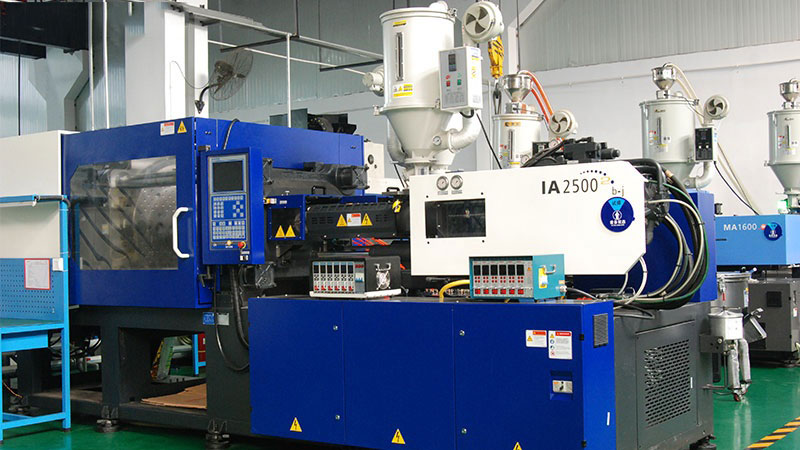
For global manufacturers and product developers, sourcing tooling from China remains a strategic decision to balance quality, innovation, and cost. The process to import mold from China, however, is nuanced and requires a structured approach to mitigate risks and ensure project success. This guide for 2026 cuts through the complexity, offering a professional, actionable framework for overseas buyers. We move beyond basic supplier lists to focus on the core strategies that separate a seamless procurement experience from a costly misadventure, ensuring your partnership with a China mold factory is built on clarity and confidence.
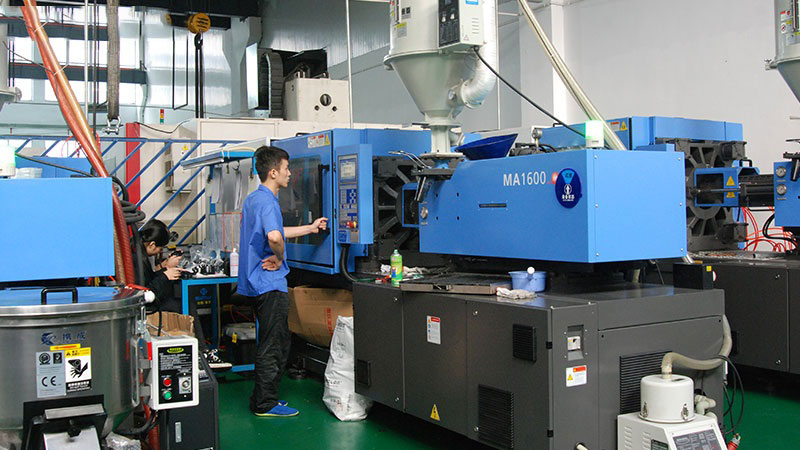
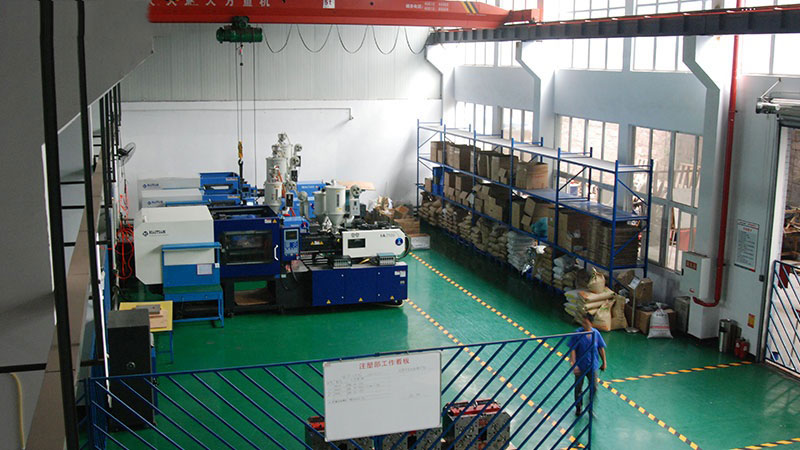
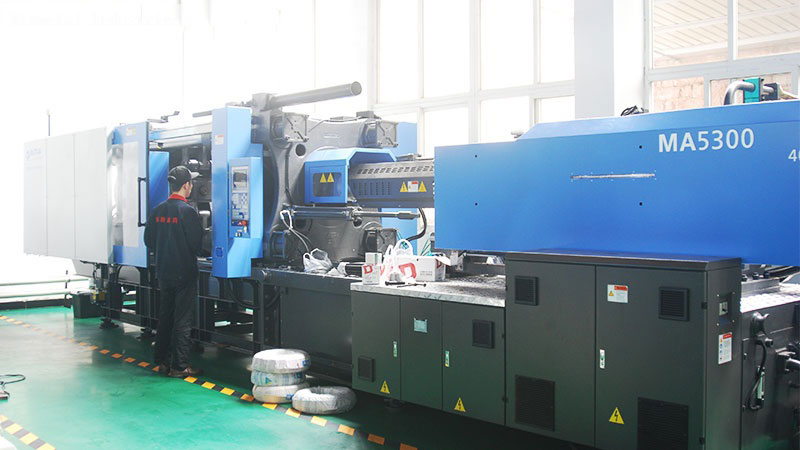
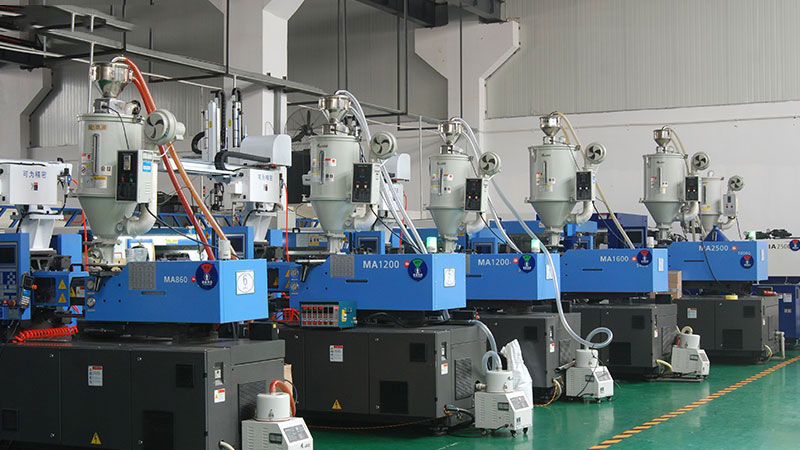
The cornerstone of a successful import project is rigorous supplier verification. In 2026, due diligence goes far beyond checking a website and a price list. Start with a multi-faceted verification process. Demand to see a comprehensive portfolio with case studies relevant to your industry, whether it’s a complex multi-cavity injection mold for medical devices or a large automotive part. Utilize video calls to conduct virtual factory tours; a reputable supplier will readily showcase their workshop, machinery (look for modern CNC, EDM, and mold testing presses), and quality control stations. Verify business licenses and, critically, ask for and contact past international clients. Third-party verification platforms and industry-specific B2B websites with verified supplier badges can be useful starting points, but direct, in-depth investigation remains irreplaceable. This step is not about finding the cheapest option, but the most competent and transparent partner for your specific needs.
Once a shortlist of potential partners is established, mastering the technical and commercial quotation process is vital. A professional China mold factory will not provide a meaningful quote from a simple 3D file alone. They will require a detailed technical discussion. Prepare a comprehensive RFQ (Request for Quotation) package including: finalized 3D product drawings (STEP or IGS format), 2D technical drawings with critical dimensions and tolerances clearly defined, material specifications for the final plastic part, expected annual volumes, and desired mold lifespan (number of shots). Be explicit about surface finish requirements (SPI standards) and any texturing needs. In return, scrutinize the quotation. It should break down costs for mold base, cavity and core materials (such as H13, S136, or P20 steel), hot runner system (if applicable), and individual manufacturing processes. Understand what is included: are mold flow analysis, T1 sample shipping, and a spare parts kit part of the deal? Clarifying these details upfront prevents costly change orders and misunderstandings later, streamlining the entire procurement cycle.
With a supplier selected and order placed, proactive and structured quality control is non-negotiable. Do not adopt a “wait and see” approach until the final sample arrives. Implement staged QC milestones tied to payment tranches. Key inspection points should include: a pre-production meeting to confirm all design details, a mold flow analysis report review to anticipate filling or warpage issues, and a critical First Article Inspection (FAI) when the steel is machined but before heat treatment. The most important stage is the T1 sample inspection. Either employ a trusted third-party quality inspection firm located near the factory or plan for your own engineer to witness the sample trial. They should check not just the part dimensions (using CMM reports), but also the mold’s performance—cycle time, ejection, cooling efficiency, and any flash. Document everything with photos and videos. This phase is your final opportunity to request adjustments before the mold is finalized and shipped, protecting your investment in the injection mold tooling.
The final phase encompasses logistics, payment, and long-term partnership. Understand the shipping terms (Incoterms 2020) clearly. For high-value, heavy molds, FOB or EXW are common, requiring you to arrange freight and insurance. Ensure the mold is properly crated and protected for ocean freight. Regarding payment, while extremely low upfront costs are a red flag, so is paying 100% in advance. A standard and secure structure is a 40-50% deposit to commence work, 30-40% upon approval of T1 samples, and the balance before shipment. This aligns incentives for both parties. Finally, view this transaction as the start of a relationship. A reliable supplier is an asset for future projects, mold maintenance, and spare parts. Discuss post-sales support, warranty terms (typically covering workmanship and materials for one year or a specified number of shots), and their process for handling repairs or modifications.
Successfully navigating the journey to import mold from China in 2026 demands a blend of technological leverage and timeless procurement discipline. It is a process built on systematic supplier verification, crystal-clear technical communication, relentless quality control at source, and smart commercial agreements. By following this professional framework, overseas buyers can transform a seemingly daunting international procurement task into a predictable, value-driven partnership. The goal is not merely to purchase a tool, but to secure a foundation for manufacturing excellence, enabling you to bring high-quality products to market competitively and reliably. With the right preparation and partner, your Chinese mold procurement will be a strategic advantage for years to come.
Work With Us
As a professional China mold manufacturer, we provide one-stop mold solution for overseas buyers.
📞 Phone: +86-18605944639
💬 WhatsApp: +8618605944639
🌐 Website: bestmoldworks.com
📧 Email: [email protected]