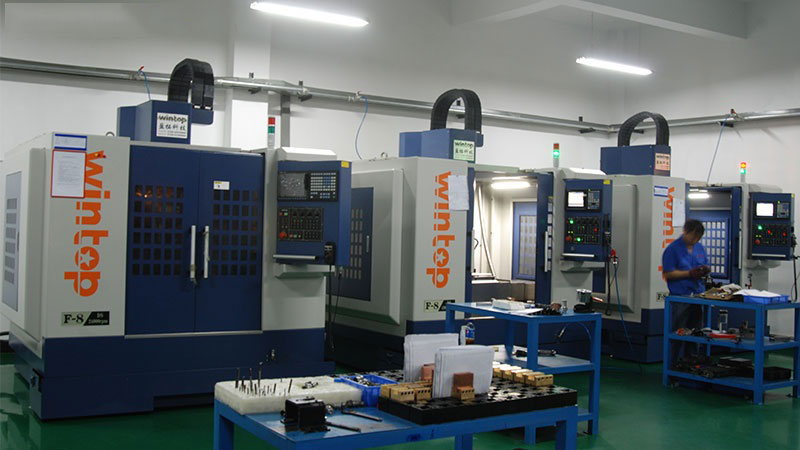
For overseas buyers, sourcing a reliable plastic injection mold manufacturer in China remains one of the most impactful decisions for product development and manufacturing. The potential for significant cost savings, advanced technical capabilities, and rapid scalability is immense. Yet, the journey is often fraught with challenges: communication gaps, hidden costs, quality inconsistencies, and supplier reliability concerns. As we move into 2026, the landscape is more sophisticated, demanding a smarter, more strategic approach to procurement. This guide cuts through the noise to provide actionable, real-world strategies for successfully importing high-quality injection molds from China.
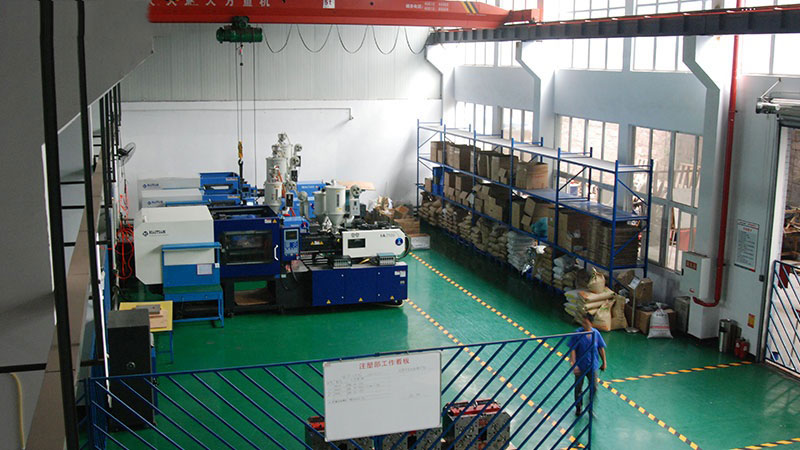
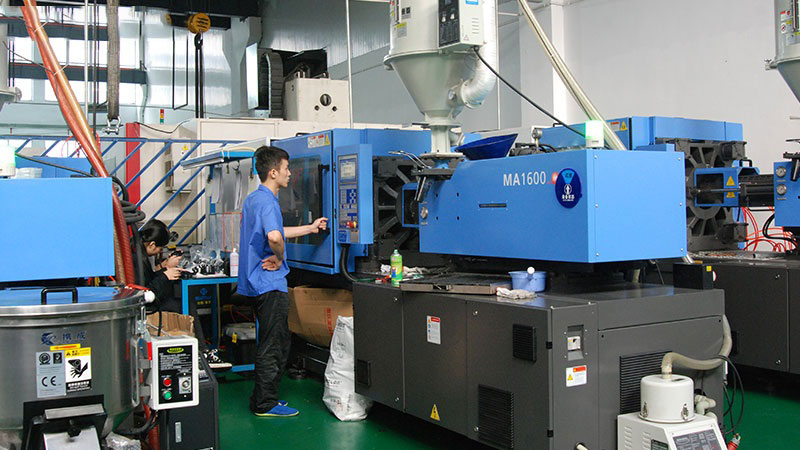
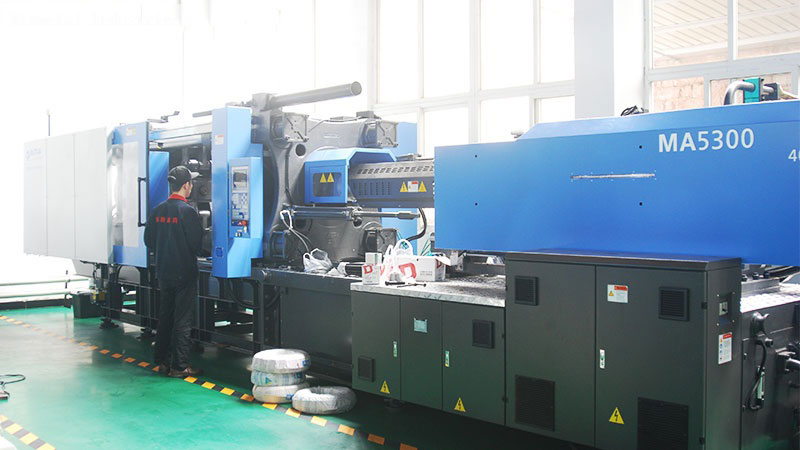
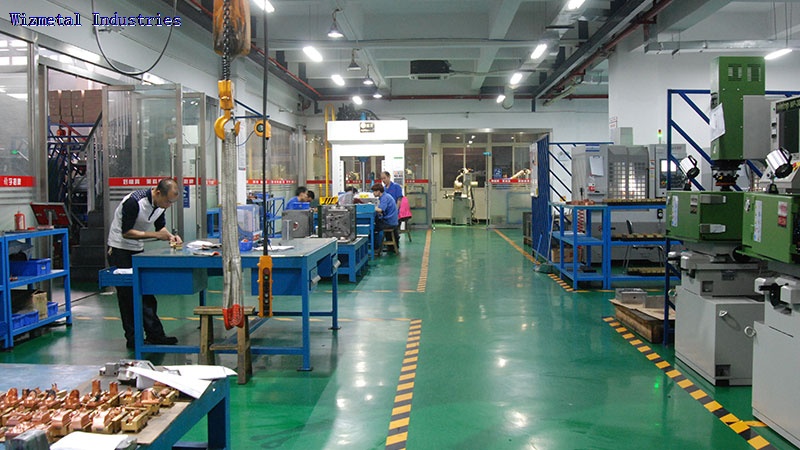
The foundation of a successful import project lies in meticulous supplier verification. Moving beyond a simple Alibaba search is non-negotiable in 2026. Begin with a multi-faceted verification process. First, scrutinize business licenses and export records to confirm legitimacy. Second, insist on a live video tour of the China mold factory. This is crucial to assess their actual capabilities, machinery (look for modern CNC, EDM, and CMM machines), workshop organization, and in-house tooling capacity versus outsourcing. Third, delve into their project portfolio, specifically requesting case studies or examples of molds for products similar to yours in complexity, material, and volume. Finally, check international certifications relevant to your industry, but understand that in China, a proven track record often speaks louder than a certificate on the wall. This rigorous vetting filters out trading companies and underqualified shops, directing you to a true professional plastic injection mold manufacturer in China.
Once a potential partner is identified, mastering the technical and commercial communication phase is critical. The single greatest tool at your disposal is a comprehensive, unambiguous Request for Quotation (RFQ). Your RFQ must include not just a 3D CAD model, but a detailed specification sheet covering mold steel grade (e.g., P20, H13, S136), cavity surface finish (SPI standards), tolerance requirements, expected production lifecycle (number of shots), and the specific plastic resin to be used. Clearly state all deliverables: are 2D drawings, mold flow analysis reports, and sample parts included? Be explicit about intellectual property protection by requiring a signed NDA before sharing designs. During discussions, pay close attention to their engineering feedback; a competent supplier will proactively suggest design for manufacturability (DFM) improvements to simplify the mold, reduce cost, and enhance durability. This collaborative, detail-oriented approach sets the stage for an accurate quote and a shared understanding of the project.
Navigating quality control requires a proactive, layered strategy that begins long before the mold is shipped. Do not treat QC as a final inspection; integrate it into the process. Define and agree upon Critical Control Points during mold manufacturing: after material procurement (steel certification), after rough machining, after heat treatment, after finishing, and finally, after trial assembly and sample production. Insist on documented evidence at each stage, such as photos and inspection reports. The Trial Shot Report is your most important document. It must detail the machine parameters, document any imperfections in the sample parts, and include precise dimensional measurement data against your CAD model. For high-value or complex molds, engaging a local third-party quality inspection firm for a pre-shipment inspection is a wise investment. They can perform a final, objective assessment of the mold’s workmanship and the conformity of the sample parts, providing a crucial last line of defense against substandard work.
Effective procurement extends beyond the initial mold price. To truly optimize your investment, adopt a total-cost-of-ownership perspective. While competitive pricing is a key advantage of working with a China mold factory, the lowest quote can be the most expensive in the long run. Evaluate the supplier’s willingness to offer transparent, broken-down pricing. Discuss post-sales support upfront: what is their policy on mold modification, repair, and maintenance? Who bears the cost if a design change is required after DFM? For future production runs, clarify their terms for molding services and part pricing. Building a relationship with a manufacturer that demonstrates technical expertise, transparent communication, and a commitment to partnership will yield far greater value than simply selecting the cheapest bid. This strategic partnership ensures not just a mold, but a reliable production solution for years to come.
In conclusion, successfully importing an injection mold from China in 2026 is a systematic process that rewards diligence and strategic partnership. It begins with exhaustive supplier verification, is cemented through crystal-clear technical communication, safeguarded by embedded quality control protocols, and optimized through smart procurement practices. The goal is to transform the perceived complexity of overseas sourcing into a structured, manageable, and highly advantageous endeavor. By implementing these actionable tips, you position yourself to leverage China’s manufacturing excellence, securing a high-quality mold that forms the perfect foundation for your product’s success in the global market.
Work With Us
As a professional China mold manufacturer, we provide one-stop mold solution for overseas buyers.
📞 Phone: +86-18605944639
💬 WhatsApp: +8618605944639
🌐 Website: bestmoldworks.com
📧 Email: [email protected]