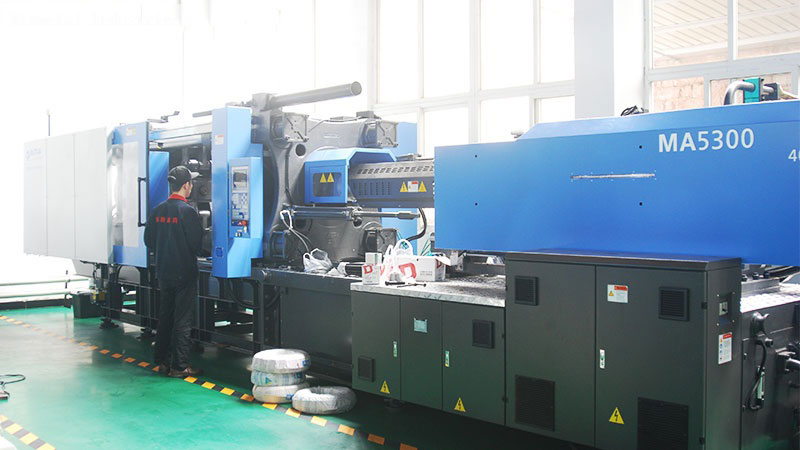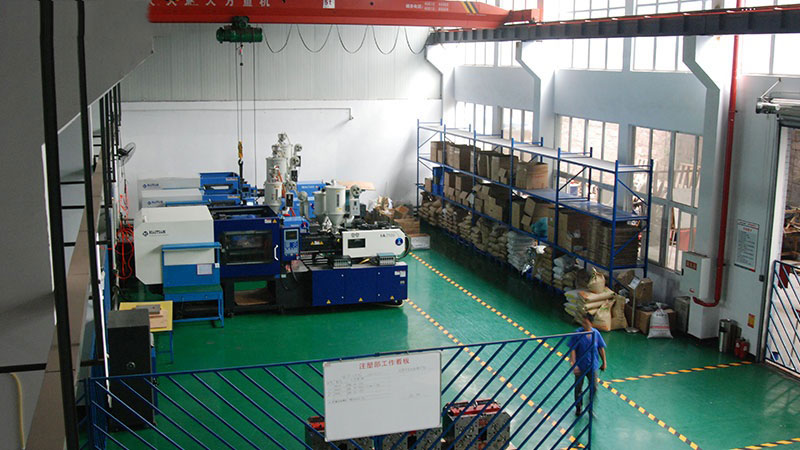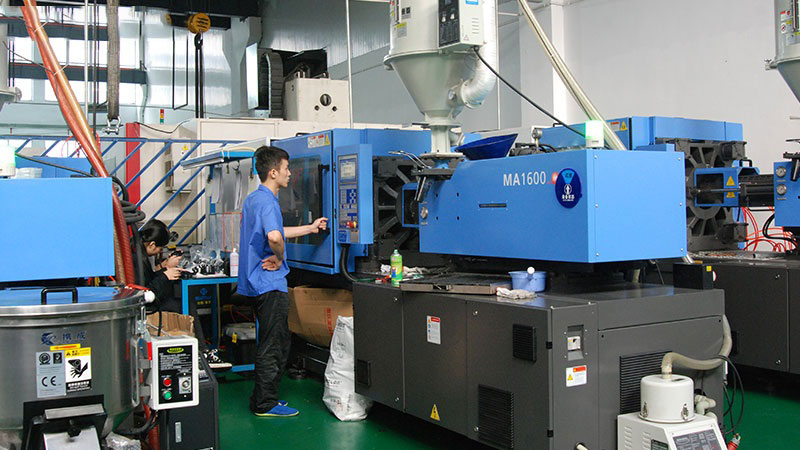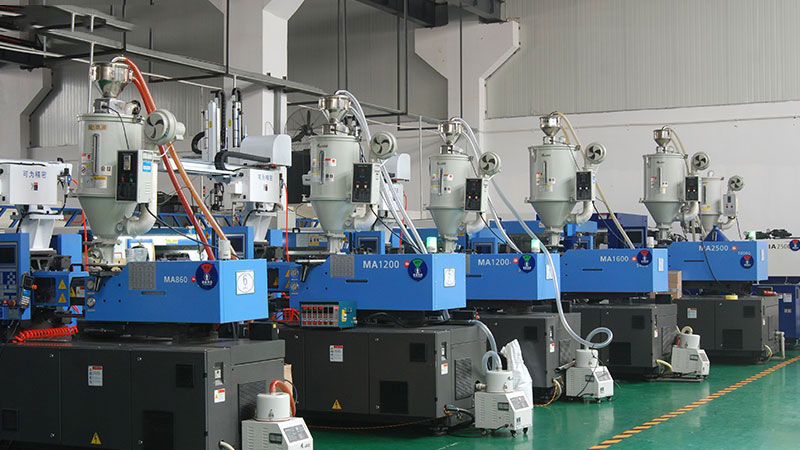
For overseas buyers, the decision to import custom molds from China represents a significant strategic advantage, offering unparalleled cost efficiency and manufacturing scalability. However, the path to a successful partnership with a China mold factory is often paved with complexities, from supplier verification to stringent quality control. This guide for 2026 cuts through the noise, providing a professional, actionable framework to navigate the procurement process and secure a reliable manufacturer for your injection mold or other custom tooling needs.
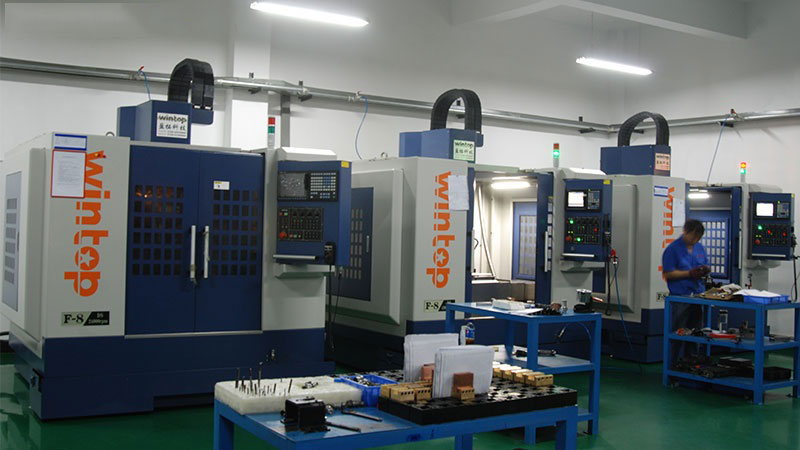
The cornerstone of successful procurement is rigorous supplier verification. Moving beyond Alibaba listings is crucial. Start by demanding detailed company audits. A reputable China mold factory will readily provide business licenses, ISO 9001 certification for quality management systems, and evidence of specific industry experience. For injection mold projects, inquire about their expertise with materials similar to yours (e.g., PP, ABS, engineering plastics) and their capability with required tolerances. Utilize video calls to conduct virtual factory tours; observe the workshop organization, the generation of machinery (look for modern CNC, EDM, and CMM equipment), and the working environment. Furthermore, request and meticulously contact a list of past international clients. A trustworthy supplier understands that this due diligence is standard for serious buyers and will be transparent throughout the process.
Once a potential partner is shortlisted, mastering the technical and commercial quotation phase is your next critical step. A professional quotation for custom molds should be exhaustive, not just a single price. It must include a detailed mold flow analysis report for injection molds, which predicts potential manufacturing defects before steel is cut. The quote should break down costs for mold design, materials (specifying steel grade like P20, 718, or S136), machining, hourly trial shot rates, and terms for engineering changes. Clearly define payment terms; a standard, safer structure is 40% deposit, 50% upon pre-shipment inspection approval, and 10% after successful trial runs. Never opt for 100% upfront payment. This stage is also the time to negotiate and document all intellectual property (IP) protections, ensuring your design remains your exclusive property.
Proactive and structured quality control is non-negotiable and must be integrated from the start. Do not leave inspection until the end. Define and agree upon Critical Control Points during production: after mold design completion, after rough machining, after heat treatment, and upon assembly. At each stage, the factory should provide photos and inspection reports. For the final pre-shipment inspection, especially for high-volume or precision injection mold projects, investing in a third-party quality inspection service is highly recommended. An independent inspector will check core dimensions, cavity surface finish, cooling system functionality, and conduct a trial run to produce samples. They will verify the samples against your provided master sample or 2D/3D drawings, checking for defects like sink marks, flash, or short shots. This objective assessment prevents costly rework after shipment.
Effective communication and project management form the backbone of the entire endeavor. Establish a single point of contact on both sides who possesses technical English proficiency and project management authority. Use clear, visual communication: mark-up 2D drawings, share 3D step files, and use screenshots during video calls. Implement a regular update schedule, such as a weekly report with photos and progress percentages. Utilize project management tools or shared cloud folders to keep all technical documents, change orders, and approvals in one accessible location. This disciplined approach minimizes misunderstandings, ensures alignment at every stage of creating your custom molds, and builds a professional working relationship with your China mold factory.
Finally, view your initial mold order as the foundation for a long-term partnership. A reliable manufacturer is invested in your success, as it leads to repeat business for production parts. Discuss future needs upfront, including their capacity for production molding, maintenance services, and storage of your mold tooling. A forward-thinking supplier will offer transparent pricing for mold modifications and annual maintenance contracts. This strategic perspective transforms a transactional procurement into a valuable supply chain asset, ensuring not only the success of your current project but also streamlining future product development and manufacturing cycles.
In conclusion, importing custom molds from China in 2026 demands a blend of diligent verification, technical clarity, and managed collaboration. By systematically applying these strategies—from deep-dive supplier audits and detailed quotations to staged quality control and professional project management—overseas buyers can mitigate risks and unlock the full potential of Chinese manufacturing. The goal is to move beyond finding just a supplier to securing a competent, transparent, and reliable manufacturing partner. With this guide as your framework, you are equipped to navigate the market confidently, ensuring your investment in precision tooling delivers the quality, efficiency, and competitive edge your business requires.
Work With Us
As a professional China mold manufacturer, we provide one-stop mold solution for overseas buyers.
📞 Phone: +86-18605944639
💬 WhatsApp: +8618605944639
🌐 Website: bestmoldworks.com
📧 Email: [email protected]